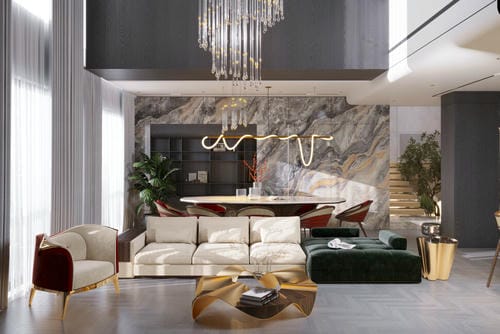
How Dopamine Decor Transforms International Interiors?
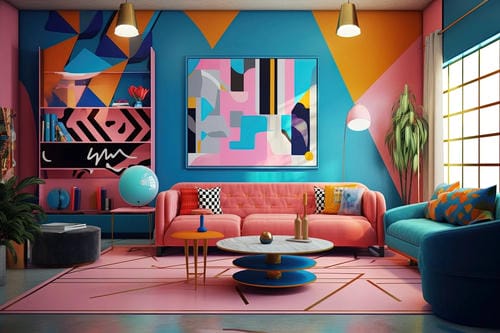
Understanding Dopamine Decor: An Emotional Approach to Interior Design
Interior design is evolving beyond traditional aesthetics into an emotionally attuned discipline that considers how a space feels as much as how it looks. At the forefront of this shift is dopamine decor, a design philosophy rooted in color psychology, pattern play, and joyful details that aim to stimulate positive emotional responses and enhance well-being through visual experience. In essence, this movement encourages homeowners, designers, and creative professionals to approach interior spaces as canvases for emotional expression and mood enhancement rather than simply functional environments. The term “dopamine decor” itself references the brain’s release of dopamine — a neurotransmitter associated with pleasure, reward, and motivation — and how design elements can influence this response. Experts in color psychology note that bright, saturated hues can trigger the brain’s mood-elevating mechanisms, which partly explains the growing appetite for vibrant, expressive interiors globally. [1]
Dopamine decor builds upon the long-standing idea that our surroundings shape our mental and emotional states. Where minimalism and neutral palettes once dominated the design landscape — often trading emotional warmth for clean aesthetics — dopamine decor advocates for spaces that feel alive. Bold hues like electric pink, sunny yellow, tangy orange, and vivid blue are used strategically to energize rooms, spark creativity, and uplift spirits. These colors are typically balanced with neutral bases or grounding tones to prevent sensory overload, a technique that ensures the spaces remain livable and inviting. Designers also emphasize that the psychological impact of color varies across cultural and individual contexts, making this approach especially adaptable for international interiors that reflect diverse preferences and traditions. [2]
Besides color, dopamine decor celebrates pattern, texture, and unexpected details as essential contributors to emotional resonance. Patterns — whether geometric, floral, or abstract — engage the eye and create visual rhythm, breaking the monotony of uniform surfaces and drawing attention to the layers within a space. When combined with tactile materials like velvet, bouclé, wool, or shag, these elements stimulate multiple senses, deepening the emotional impact of the environment. This multisensory emphasis aligns with broader design research, which suggests that engaging several senses can strengthen memory, reduce stress, and increase positive affect — a crucial consideration in homes where people seek refuge, comfort, and inspiration. [3]
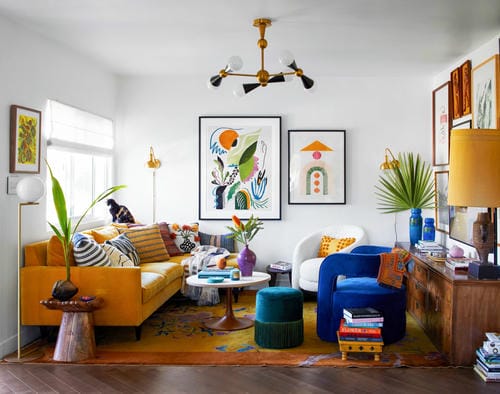
The appeal of dopamine decor crosses geographic boundaries because it champions personalization. Rather than prescribing a single, monolithic style, it invites individuals to express cultural narratives, personal memories, and aesthetic preferences through their choices. For example, a vibrant teal sofa paired with patterned textiles might evoke childhood nostalgia in one cultural context, while another home may lean into rich terracotta and earthy greens as homage to local landscapes. This flexibility has helped the trend take root in cities and regions across the world, from the bold maximalist apartments of metropolitan hubs to coastal retreats that integrate playful patterns with natural light and local artisan pieces. From social media platforms to international design magazines, dopamine decor is highlighted as a deliberate pivot toward environments that feel authentically joyful and emotionally sustaining.
Designing With Dopamine: Practical Strategies for Joyful, Colorful Rooms
To translate the emotional promise of dopamine decor into tangible interiors, designers and enthusiasts recommend starting with intentional color planning. Color influences mood not only through visual stimulation but also through associative memory — for example, primary colors reminiscent of childhood toys or beloved outdoor scenes can trigger nostalgia and pleasure. Many designers suggest beginning with a base palette of neutral or grounding tones that anchor the space; then introduce one or two dominant accent hues that attract the eye and reflect your emotional goals for the room. Whether you prioritize energy and creativity in a home office or warmth and comfort in a living room, these accent colors — used in furniture, wall treatments, or accessories — can set the emotional tone for the space.
In addition to choosing colors, pattern and texture are central to the dopamine decor strategy. Bold wallpapers with geometric or botanical motifs create dynamic visual backdrops, while patterned textiles on upholstery, area rugs, and cushions add layers of visual interest that feel lively without being chaotic. The key is to maintain cohesion by selecting patterns that share color family elements or by using solid colors to anchor more complex motifs. This balance keeps the design from feeling overwhelming and ensures that pattern play enhances rather than distracts from the emotional experience of the room.
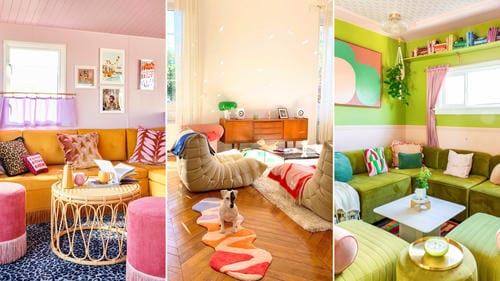
Texture also plays a critical role in creating tactile comfort and sensory richness. Soft materials like velvet and bouclé invite touch and warmth, while contrasting elements such as smooth ceramics or polished metal fixtures add visual and physical contrast. These textural combinations contribute to a layered sensory environment that stimulates the senses, further reinforcing the mood-enhancing objectives of dopamine decor. Thoughtful integration of texture prevents spaces from feeling one-dimensional and deepens the emotional connection to the environment. [4]
Accessories and curated details are where dopamine decor truly shines. Whimsical lighting fixtures, sculptural objects, and quirky collectibles — often sourced from travel, vintage markets, or local artisans — act as visual anchors that provoke joy and curiosity. Neon art, playful sculptures, handmade pottery, and culturally meaningful artifacts can serve both decorative and emotional purposes. These pieces personalize interiors and often become conversation starters, embedding stories and identity into the home. Importantly, dopamine decor is not about clutter for its own sake; it’s about curated exuberance, where each element contributes to the narrative and emotional landscape of the space.
For international interiors, blending dopamine decor principles with locally inspired elements can be particularly effective. In places with strong artistic traditions, combining vibrant color with indigenous textiles or artwork not only enhances emotional impact but also honors cultural heritage. Similarly, rooms in climates with abundant natural light might emphasize saturated hues and reflective surfaces to amplify energy, whereas darker or cooler environments might use warmer tones and plush textiles to create coziness and emotional warmth. Across these contexts, the emphasis remains on aligning design decisions with psychological intent — whether that’s to stimulate creativity, foster relaxation, or simply bring joy into everyday life.
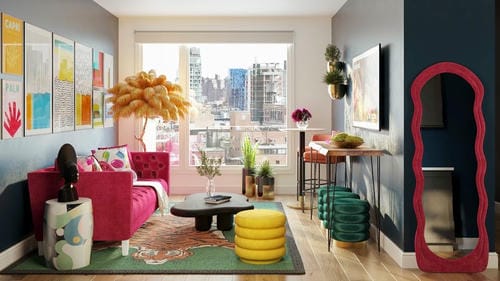
In practical terms, successful dopamine decor also considers scale and proportion. Large expanses of bright color can be anchoring and dramatic, but they also require thoughtful integration of neutral or calming elements to avoid visual fatigue. Designers often apply color blocking — using large blocks of complementary hues — to structure visual hierarchy within a room, ensuring that vibrant areas are balanced with quieter zones. This strategy supports both emotional uplift and visual coherence, making rooms feel intentional rather than chaotic. [5]
Ultimately, dopamine decor encourages a move away from interior spaces that merely exist toward homes that express, evoke, and enhance emotional experience. Whether through bold color, layered pattern, tactile texture, or meaningful details, this design philosophy offers a framework for creating interiors that resonate on both aesthetic and psychological levels — a reflection of the individual, the culture, and the joy one seeks within the walls they call home.
Sources:
[1]: https://businesscraft.se/design-trend/dopamine-decor-the-bold-and-joyful-interior-trend-dominating-2026
[2]: https://www.marieclaire.co.uk/life/homes-and-interiors/dopamine-decor-feel-good-trend
[3]: https://poshpennies.com/dopamine-decor-guide
[4]: https://www.hgtv.com/decorating/design-ideas/everything-you-need-to-know-about-the-dopamine-decor-trend-pictures
[5]: https://sacahome.com/20-dopamine-bedroom-ideas-to-boost-your-mood-and-style/?utm_source=chatgpt.com
References:
https://www.newhomesource.com/news/home-design-trends/how-dopamine-decor-makes-you-happy
https://www.mytidycorner.com/dopamine-decor-trend
https://www.reimaginehome.ai/blogs/the-dopamine-decor-trend-2025-color-psychology-meets-cozy-science
Recommended for you