The Passionate Gardener’s Guide to Photographing Amidst Blossoms and Blooms
Gardening becomes an even richer experience when you pause to notice the tiny visitors that bring color and life to your plants. Bees, butterflies, and bumblebees are not only vital to the health of your garden through pollination, they also offer fascinating subjects for photography. Capturing these industrious insects in their natural environment—feeding on flowers, fluttering between blooms, or collecting pollen—can deepen your appreciation for the complex interactions that sustain your garden. This introduction sets the stage for both enhancing your outdoor space to attract pollinators and refining your photographic approach so that the beauty and dynamism of these creatures are preserved in stunning detail.
Preparing Your Garden and Gear
When you decide to photograph pollinators in your garden, the first consideration is your environment and equipment. Successful pollinator photography blends careful preparation of your garden space with appropriate photographic tools that let you capture insects in action without disturbing them. Many pollinators such as bees, bumblebees, and butterflies are attracted to a variety of flowering plants and abundant nectar sources, so design your garden to offer continuous blooms throughout the season. Variety in plant shapes and colors attracts more pollinators, and grouping similar flowers together makes it easier to anticipate where insects will land. Additionally, shallow water sources or small, flat stones near water can draw butterflies and bees, giving you more opportunities for close-up shots. A thoughtfully planned garden not only supports a thriving pollinator population but also expands the visual diversity you can capture through your lens. [1]
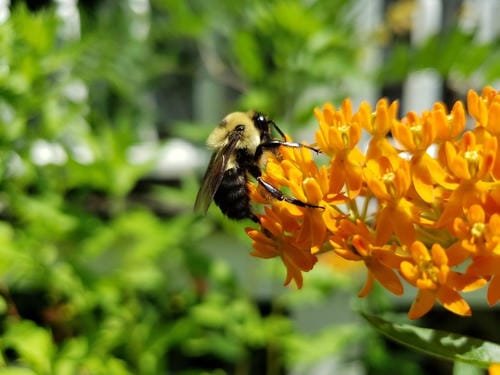
With your environment set, equip yourself with the right tools. A macro lens is essential if you want close-up images that reveal fine details like the hairs on a bee’s thorax or the vibrant patterns on butterfly wings; many modern cameras and even some smartphones offer macro modes to achieve this effect.
A tripod helps stabilize your camera for sharp, clear images, particularly in low light or at high magnification where even small movements can blur details. Some photographers add a polarizing filter to minimize glare and enrich color saturation. If you are new to pollinator photography, consider settings that give you flexibility—using modes such as aperture priority or even manual mode can let you control depth of field and shutter speed effectively. Knowledge of your gear and how settings influence focus, exposure, and motion capture is fundamental when working with fast-moving subjects like flying insects.
Techniques for Photographing Bees, Butterflies, and Bumbles
Photographing pollinators challenges even experienced photographers because these insects are fast, small, and easily startled. The key to excellent images is patience and observation. Approach your subject slowly and minimize sudden movements; pollinators will retreat if they sense disturbance, and spending a few moments watching their patterns helps you anticipate their next move. Positioning yourself so you are level with your subject— for example, crouching down to the height of a butterfly on a flower—makes for more engaging and intimate images. You can also pre-visualize your shots by observing where bees prefer to land and then setting up nearby with your camera ready. [2]
Lighting and positioning relative to the sun have a significant impact on the quality of your photographs. Early morning or late afternoon, often referred to as the “golden hours,” provide soft, warm light that reduces harsh shadows and enhances color. In these periods, bees and butterflies are often slower and more deliberate in their movements, increasing your chance of getting crisp shots. Watch for shadows cast by yourself or other garden elements and adjust your angle so that the subject remains well lit. Capturing pollinators with the light behind you or at a side angle can create a pleasing balance between subject and environment.
When composing your image, consider the background and frame carefully. A clean, uncluttered background makes the subject stand out, while natural garden elements like stems or leaves can serve as framing devices that draw the viewer’s eye toward your main subject. The “rule of thirds” is a composition guideline that suggests positioning your subject off-center—this often results in a more dynamic and visually compelling photograph than placing the insect directly in the center of the frame. Most cameras and smartphone apps allow you to enable grid overlays that make it simple to compose using this guideline. [3]
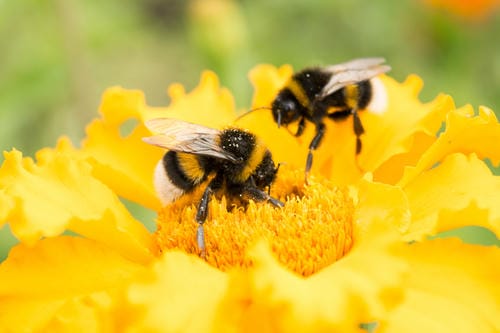
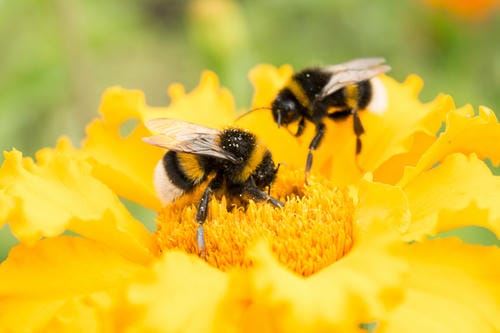
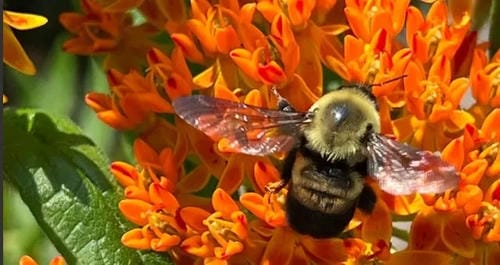
Different pollinators require subtle variations in technique. For bees and bumblebees, capturing multiple angles—including profile and head-on shots—can reveal identifying features such as color patterns on the thorax and abdomen. Bumblebees, for example, often linger on flowers and can be photographed carefully at close range with a macro focus to reveal detailed textures and pollen loads. For butterflies, especially when their wings are open, filling the frame with the subject can emphasize wing patterns and color. Using a fast shutter speed helps freeze wing motion during flight, while slower shutter speeds with stabilized equipment can create artistic motion blur if desired.
Focus and depth of field are technical aspects that greatly influence the clarity of your images. For small, moving subjects, a deeper depth of field can help ensure that most of the insect remains in focus, especially when the subject is landing or in transit. On the other hand, a shallow depth of field can draw dramatic attention to the pollinator against a soft, dreamy background. Experimenting with different aperture settings and observing how changes affect focus will improve your ability to capture a range of aesthetic styles. Also, many photographers recommend using burst or continuous shooting modes so that a series of images taken in rapid succession increases the likelihood of capturing that perfect moment.
Your interaction with pollinators should always be respectful. Do not touch or capture insects for photography, and avoid actions that might interfere with their natural behavior or stress them. Maintaining a respectful distance and allowing insects to go about their vital role in pollination not only ensures their continued presence in your garden but also results in more authentic and natural photos. With practice, observation, and respect for your subject matter, photographing pollinators can be both a rewarding creative pursuit and a way to deepen your connection with the life in your garden. [4]
Sources:
[1]: https://agreenhand.com/attract-garden-pollinators-like-bees-butterflies
[2]: https://pollinator.org/pollinator.org/assets/generalFiles/Bioblitz-Toolkit-2024.pdf
[3]: https://bluestem.ca/content-creation/capture-stunning-wildlife-moments-right-in-your-garden
[4]: https://www.naturewalkswithcarol.com/butterfly-photography.htmlhttps://www.naturewalkswithcarol.com/butterfly-photography.html
Reference:
https://omnilargess.com/photography-tips/bee-photography-tips
Recommended for you