How Smart Homes Shape Mood, Temperature, and Well-Being?

The concept of Sensorial Spaces is transforming how we think about home environments. No longer are homes static backdrops for daily life; they are evolving into dynamic spaces where technology actively shapes how we feel, think, work, and rest. At the core of this evolution is a blend of smart sensors, adaptive systems, and design principles that prioritize human experience.
Homes today can sense and respond to their occupants, creating what researchers and designers refer to as ambient intelligence and intelligent environments — spaces embedded with computing and sensors that adapt seamlessly to human presence and behavior. The goal of these systems is to enrich everyday life by tailoring surroundings in real time, often without intrusive user intervention. Rather than reacting to commands, environments anticipate needs and adjust conditions like lighting, temperature, and sound based on context and user preferences, which has implications for comfort, mood regulation, and overall well-being.
Advances in smart home technology are rooted in this shift toward human-centric design — a focus on technologies that not only automate tasks but also enhance emotional wellness and physiological comfort. Designers and technologists are now crafting systems that do more than switch lights and thermostats; they seek to modulate the sensory qualities of spaces so that living environments actively support daily rhythms, reduce stress, and foster calm. Smart ambiance technology, for instance, integrates lighting and sound systems that adjust dynamically to mimic natural patterns and respond to individual stress indicators. [1]
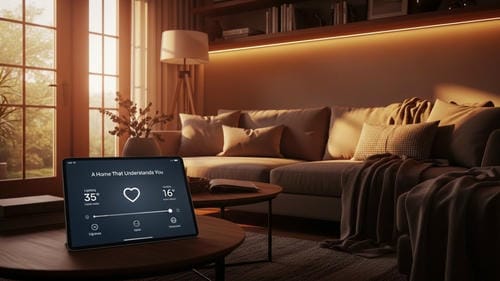
Transforming Light, Sound, and Climate for Emotional Comfort
One of the most direct ways technology influences mood is through adaptive lighting systems. Traditional static lighting is being replaced with systems that adjust brightness, color temperature, and tone throughout the day to support natural circadian rhythms and emotional states. Research indicates that visual environments and light exposure have measurable effects on mood and well-being, with noise, lighting, and music influencing emotional health outcomes, including depression, anxiety, and overall mental health. [2] Smart lighting systems can transition from cooler tones in the morning — promoting alertness and productivity — to warmer hues in the evening, which encourage relaxation and sleep readiness. These transitions may also be personalized through AI routines that learn user preferences and activity patterns.
Temperature and climate control play equally significant roles in crafting sensorial spaces. Smart thermostats can automatically adjust settings based on occupancy, time of day, and biometric feedback collected via wearables, helping to maintain comfort and enhance cognitive clarity. When integrated with air purification and humidity control, these systems contribute to overall health by optimizing indoor climate in response to individual needs and environmental conditions. For many homeowners, comfort is no longer about convenience alone; it’s about creating a supportive backdrop for emotional resilience and physical health.
Soundscapes are another critical dimension of technology-driven ambiance. While conventional design may focus on aesthetic or functional elements, emerging smart environments use acoustic management — including active noise cancellation and adaptive audio playback — to shape mood and mental states. In advanced systems, walls and ceilings may incorporate microphone arrays and speakers that analyze and transform ambient noise, filtering unwanted sounds or introducing calming frequencies. This kind of integration transforms sonic environments into therapeutic assets that reduce stress and enhance focus. Coupled with personalized audio profiles that align with specific activities — from concentration boosts to evening unwinding — audio systems are becoming fundamental tools for crafting emotional experiences within the home.
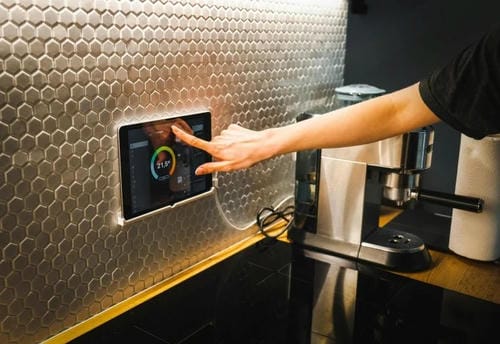
The interplay among these systems — lighting, climate, and sound — illustrates a broader shift toward sensorial design, where the atmosphere itself becomes a dynamic medium for emotional modulation. Architecture and sensory design have long recognized how light, sound, and spatial qualities communicate mood; new technologies amplify this understanding by making environments responsive rather than passive. Historically, designers used static architectural elements like materials and orientation to influence atmosphere. Today’s smart technologies build on this tradition by integrating digital controls that enact nuanced changes throughout the day.
Psychological and Practical Benefits of Sensorial Home Technology
Some pioneering applications go even further, incorporating biometric and emotional data to tailor environmental responses. Emerging systems can detect stress markers such as heart rate variability or voice tone, then adjust elements like lighting and soundscapes to promote relaxation or revitalization. This move toward emotion-aware environments marks a key frontier in sensorial spaces, transforming homes into empathetic systems that support not just physical comfort, but emotional well-being. [3]
In practice, these technologies are no longer limited to cutting-edge research labs or luxury installations; they are becoming accessible to mainstream homeowners. Entry-level smart lighting systems, for example, are widely available and can be integrated into routines through voice control and smartphone apps, enabling users to create customized ambiance scenes that influence mood and mindset. Likewise, occupancy sensors now automate temperature and light adjustments to maintain comfort while optimizing energy use, showcasing how smart infrastructure contributes to both mood and sustainability.
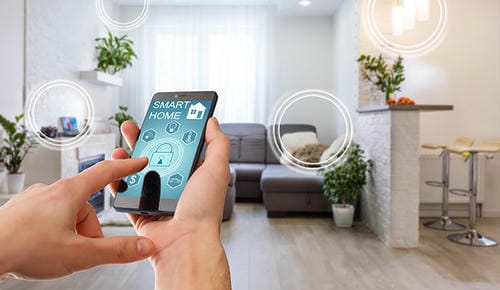
Designers and wellness advocates emphasize that the success of these systems lies not merely in automation, but in personalization and intentional use. Modern well-tech — a term increasingly used to describe wellness-oriented smart home technologies — advocates for systems that learn from user patterns and respond with suggestions rather than unilateral actions, giving individuals agency over their environments. This philosophy underscores a shift in how technology is conceived: from devices that perform isolated functions, to integrated ecosystems that nurture and support human well-being through nuanced modulation of sensory experience.
Ultimately, sensorial spaces reflect a new paradigm in home design — one where technology does not merely serve practical functions but participates in shaping emotional landscapes. By embedding adaptive systems that respond to individual needs and environmental cues, homes become extensions of ourselves: responsive, supportive, and finely tuned to the rhythms of daily life. Whether through dynamic lighting, intelligent climate control, or adaptive soundscapes, the integration of technology into home environments continues to redefine what it means to feel well at home.
Sources:
[1]: https://gadzetto.com/articles/smart-ambiance-tech-2025
[2]: https://www.nature.com/articles/s41599-025-05981-8
[3]: https://aicompetence.org/mood-mirror-emotion-aware-environment
References:
https://en.wikipedia.org/wiki/Ambient_intelligence
https://businesscraft.se/design-trend/well-tech-integration-smart-homes-that-support-mental-wellness
Recommended for you