Music in the Garden That Makes Blossoms Sing and Every Season Feel Like a Living Symphony
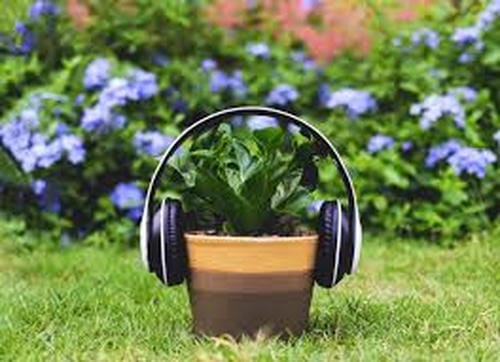
A garden in bloom is a symphony of color, texture, and life. As gardeners, we often focus on soil, light, water, and nutrients—but another element can subtly influence both your experience and, in some contexts, the plants themselves: sound. Carefully curated garden soundtracks can enhance the ambience of your outdoor space and may interact with biological processes that influence plant growth.
The Science Behind Sound and Plant Growth
The idea that sound—especially music—might influence plant growth has intrigued gardeners and scientists for decades. Unlike humans and animals, plants lack ears and neural sensory systems, but they do detect and respond to vibrations. Sound waves generate vibrations that travel through the air and into plant tissues, where they can affect cellular and physiological activities. One of the key mechanisms proposed in research is the stimulation of cytoplasmic streaming, a process in which the fluid inside plant cells moves nutrients and organelles throughout the cell. Vibrational stimulation from sound waves may enhance this movement, potentially supporting nutrient transport and growth-related processes.
Experimental studies offer mixed yet intriguing evidence. In controlled research with Rosa chinensis (rose plants), subjects exposed to different genres—including Indian classical, Western classical, devotional chants, and rock music—showed significant differences in growth outcomes such as shoot elongation, flower number, and diameter. The group exposed to devotional chants and classical pieces generally showed more robust growth compared to rock music or silence, suggesting that gentler, balanced sonic vibrations may support certain aspects of plant development.
Broader literature surveys and experiments have highlighted several patterns that recur across different studies and gardener reports. Calm, harmonic music in the classical or jazz spectrum tends to correlate with fuller foliage and healthier stems in many plant types, possibly because these genres feature balanced frequencies and smoother transitions between tones that produce consistent, moderate vibrations. In contrast, loud and aggressive genres like heavy metal and rock often generate intense, irregular vibrations that many studies associate with stress responses or reduced growth in plants. [1]
These findings are not universally conclusive. Some experiments suggest silence may produce equal or even superior results compared to certain types of music, highlighting that any effect depends on variables such as plant species, exposure duration, vibration intensity, and environmental conditions. For instance, a state science fair project found that plants grown in silence or exposed to soft spoken word grew more robustly than those exposed to heavy metal or classical music in that specific setup, underscoring the complexity of drawing definitive conclusions.

Research on stomatal activity—the opening and closing of microscopic pores on leaves—suggests that vibrations at specific frequencies might influence gas exchange, potentially affecting photosynthesis and respiration. A review in the Advances in Engineering Technology Research literature notes that certain rhythms and frequencies may regulate biopotentials in plant tissues, affecting pigment synthesis, the light reaction of photosynthesis, and overall metabolic efficiency. [2]
Despite these intriguing results, mainstream plant biologists remain cautious. Many studies lack standardized controls, suffer from small sample sizes, or fail to isolate variables such as light, moisture, and temperature. As a result, while music’s effects on plants are an active area of exploration, researchers emphasize that sound should not be considered a substitute for essential care practices. However, there is a growing recognition that the vibrational nature of sound—even outside structured experiments—interacts with physical processes in plants in ways that merit further investigation.
Designing Garden Soundtracks for Themes and Seasons
Whether or not sound directly influences plant development, there is no question that music enriches the human experience of gardening. Crafting playlists that reflect seasonal themes and gardening tasks can transform routine work—pruning, planting, harvesting—into immersive sessions that harmonize mood and environment.
Early spring is a time of renewal. As tender seedlings push through cool soil and bulb flowers open, select soundtracks that evoke gentle optimism and freshness. Classical compositions with light instrumentation, ambient tracks that mimic natural elements like rain, bird calls, and wind, or soft jazz selections provide a tranquil backdrop that complements the emerging life around you. These soundscapes emphasize subtle movement and may align with the growing rhythm of plants waking from dormancy.
During the height of summer, with lush foliage and vibrant blooms, playlists can reflect the garden’s exuberance. Upbeat yet mellow jazz, folk, and world music tracks can mirror the textures and colors of flowering beds and vegetable patches. Long daylight hours and warm weather often mean extended time spent outdoors; a thoughtfully curated soundtrack can sustain energy, elevate your mood, and make repetitive tasks like weeding and watering more enjoyable. For gardeners who prefer thematic mixes, there are ambient albums specifically designed with garden relaxation in mind, such as Music for Healthy Gardens by Free Zen Spirit, which blends garden ambience with gentle instrumentation tailored to outdoor spaces.
Autumn ushers in a phase of transition and reflection. Cooler weather and changing foliage colors invite playlists with earthy, mellow tones—acoustic folk, contemplative classical adagios, and world music with organic textures. These selections can enhance the experience of harvesting and preparing gardens for the dormant season. Soundtracks that include warm, resonant tracks support a mood of gratitude and completion as you collect seeds, clean tools, and enjoy the last blooms before winter.
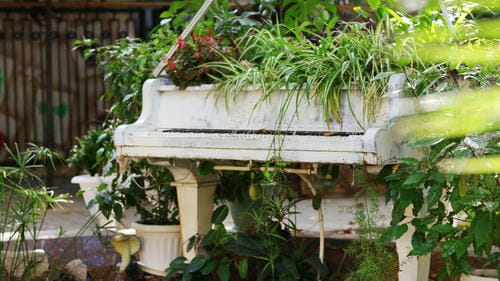
Even in winter, when gardens rest under frost or snow, indoor plant care and planning can benefit from themed soundtracks. Curate playlists that evoke cozy greenery, such as ambient classical mixes or extended “music-for-plants” collections available on streaming platforms (for example, the Music for Plant Growth playlist combines classical and ambient selections designed to sustain a relaxing environment for indoor plants).
Theme-specific playlists also allow gardeners to create atmospheric environments that correspond with particular botanical projects. A playlist titled “Blossoming Morning” might feature soft piano and string arrangements ideal for morning watering routines, while an “Evening Garden Chill” mix could incorporate mellow jazz or downtempo acoustic songs perfect for reflecting on the day’s work in your garden lounge.
When integrating music into your gardening routine, practice moderation. Excessively loud volumes or constant exposure throughout the day can overstimulate both plants (if they are responsive to mechanical vibrations) and your own sensory experience. Aim for moderate volume levels that serve as background ambience and limit dedicated music sessions to a few hours daily for the most enjoyable balance between sound and silence.
Ultimately, whether you are motivated by science, ambience, or sheer enjoyment, including curated soundtracks in your gardening practice adds narrative and mood to each season’s work. The blend of sensory richness—visual, tactile, and auditory—creates a more engaging and fulfilling connection with your landscape. Gardening with intention means paying attention to all aspects of the environment, and sound, whether experimental stimulus or carefully chosen backdrop, deepens that engagement in meaningful ways.
Sources:
[1]: https://iere.org/does-music-help-plants-grow
[2]: https://enviroliteracy.org/should-i-play-music-for-my-plants
Recommended for you