Invisible Technology That Enhances Home Style Without the Clutter
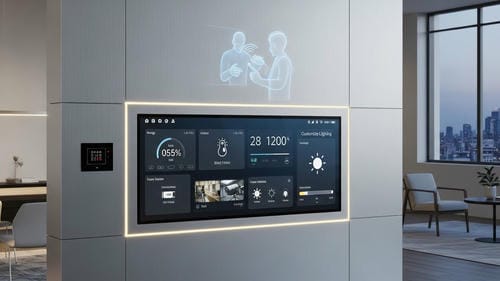
In the realm of contemporary home design, the integration of smart technology has shifted from flashy gadgets to refined, invisible systems that elevate comfort and functionality while preserving aesthetic integrity. Today’s homeowners and designers alike increasingly view smart tech not as devices that compete with décor, but as elements that should blend seamlessly with architectural and design intentions. The goal is to minimize visual clutter and instead allow technology to contribute to — and even enhance — a space’s visual narrative. This approach aligns with broader design principles that prioritize harmony, cohesion, and experience: a space that functions intelligently without interrupting sightlines or overwhelming design schemes with wires, screens, and conspicuous hardware. [1]
Blending Smart Technology with Thoughtful Interior Design
A foundational strategy for achieving this seamless integration is to conceal where possible. Built-in speakers, recessed lighting, and in-wall or in-ceiling systems deliver advanced functionality without the bulky profiles of freestanding devices. For example, audio systems can disappear into ceilings, creating immersive soundscapes while keeping walls and surfaces clear, and smart lighting can be embedded within architectural coves or crown moldings to deliver ambient illumination without visible fixtures. Designers increasingly use lighting as a core aesthetic tool; integrated smart lighting systems adjust color temperature and intensity to create mood throughout the day — from energizing morning brightness to warm, relaxing evenings — all without traditional lamp fixtures dominating the space. [2]
Television and display technology also exemplify this invisible-tech ethos. Mirror TVs and art-mode screens serve dual purposes: when off, they function as decor; when on, they offer full smart capabilities. These solutions transform potential distractions into design assets. TVs that double as framed artwork or mirrors preserve a room’s aesthetic continuity and reinforce the principle that technology should enhance rather than interrupt design rhythms.
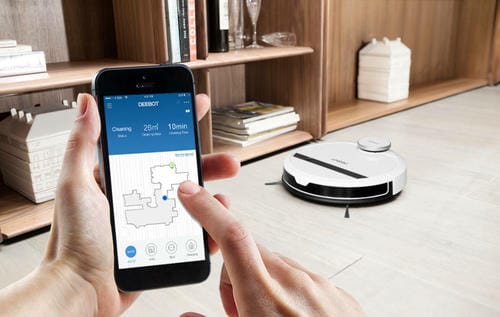
Centralized control and smart home systems, from voice assistants to universal interfaces, have evolved to further diminish visible tech clutter. Voice control through platforms like Amazon Alexa, Google Assistant, or Apple HomeKit allows for hands-free operation of lights, climate systems, and entertainment without the need for visible switches or bulky remotes. This shift toward voice and app control minimizes the physical footprint of smart tech within rooms. Strategically placed touch panels, designed to sit flush with walls or integrate into furniture, extend this philosophy by offering tactile control while remaining visually discreet. [3]
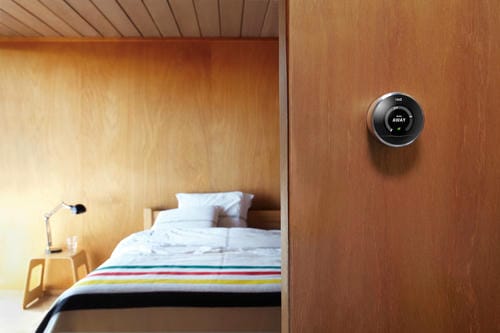
In addition to concealment, material and finish selection plays a critical role in making tech feel like a natural part of interior design. Choosing smart devices — thermostats, control panels, sensors — in finishes that match existing hardware and décor materials ensures visual cohesion. For instance, devices in brushed metal, matte black, or neutral tones can harmonize with minimalist, modern, or traditional spaces alike, allowing them to contribute to a unified design language rather than stand out as isolated elements. [4]
This blending of technology and materials extends to furniture and architectural elements with embedded functionality. Tables with built-in wireless charging pads, cabinets with discreet charging stations, and bed frames with integrated USB ports allow smart features to exist without visible wires and power bricks. These solutions not only eliminate surface clutter but also make everyday interaction with technology feel natural and intuitive.
The importance of planning for integration also cannot be overstated. Incorporating smart infrastructure from the early stages of design or renovation — for example, routing cables through walls and ceilings, allocating discreet equipment closets, and planning conduits for future technology upgrades — enables a clean, cohesive integration that stands the test of time. Retrofitting visible tech solutions often results in compromised aesthetics; anticipating technology needs during initial design empowers spaces that feel timeless, adaptable, and elegant.
Strategies to Maintain Style with Invisible Smart Tech
To fully realize the vision of invisible tech and visible comfort, designers and homeowners deploy a series of strategies that balance technology with sophisticated style. One of the most visible of these is concealing physical technology in plain sight. This includes hiding routers and hubs inside decorative elements such as books or planters, using cable management systems within furniture, or placing small smart devices behind panels that match wall finishes. Even simple strategies like using decorative baskets or boxes to contain chargers and remotes can preserve design integrity while maintaining functionality. [4]
Another key strategy is integrating functionality into everyday surfaces and materials. Wireless charging surfaces embedded in countertops, nightstands, or side tables eliminate visible cords and keep surfaces clean. Similarly, cabinets and shelving can include hidden compartments for smart hubs and power strips, allowing devices to reside close at hand without visual clutter. Drapery and textiles — such as by using motorized smart curtains that match the color palette and texture of your interior — can mask technology while enhancing atmosphere and comfort.
Smart appliances and systems in the kitchen and bathroom can also be integrated in ways that preserve style. Smart refrigerators, ovens, and bathroom mirrors with embedded displays can be faced with cabinetry or finishes that echo the overall design theme of the room, resulting in a space where function and form coexist without competition. For example, smart mirrors with integrated LED lighting and defogging capability look identical to traditional mirrors while offering advanced features only when needed.
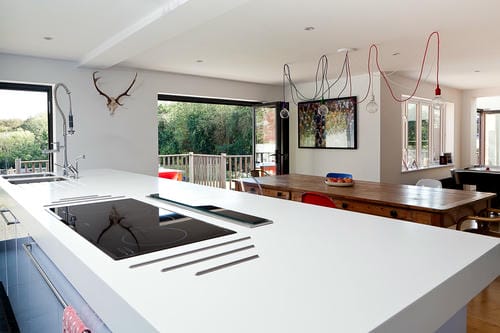
Voice and gesture control technologies further enhance this seamless experience. By allowing users to adjust lighting, temperature, and entertainment systems without physical interfaces, these controls reduce the visual prominence of tech hardware. The result is a home that responds intuitively to human presence, making daily interaction feel effortless and unobtrusive. [5]
Energy management and sustainability considerations can also be integrated without visual compromise. Smart heating, cooling, and automated shading systems adjust environmental conditions to maximize comfort and efficiency. Smart window treatments, for example, can be programmed to react to sunlight levels or time of day, contributing to both energy savings and visual harmony.
Ultimately, successful invisible tech integration — whether in minimalist, industrial, Scandi, or luxury interiors — hinges on a holistic design philosophy that views technology as ambient, intuitive, and unobtrusive. Instead of drawing attention, the best smart home tech recedes into its environment, enhancing comfort, utility, and aesthetic value in equal measure.
Sources:
[1]: https://www.honey-doers.com/interior-design/5-ways-to-incorporate-smart-home-technology-into-your-interior-design
[2]: https://www.zeysey.com/public/en/invisible-technology/blog/detail/smart-home-aesthetics-the-art-of-integrating-smart-technology-into-interior-design
[3]: https://www.honey-doers.com/interior-design/5-ways-to-incorporate-smart-home-technology-into-your-interior-design
[4]: https://homeharmony247.com/interior-design/8-ways-to-hide-tech-without-losing-style
[5]: https://www.digigearz.com/article/smart-home-design-blending-technology-with-style
References:
https://activepropertycare.com/invisible-decor-hidden-tech-that-blends-seamlessly-with-your-interior-design
https://www.angi.com/articles/blend-smart-home-tech-home-decor.htm
Recommended for you