How Storms with Heavy Rainfall and Extended Dry Periods Are Reshaping Gardens
Gardens are living canvases on which the weather continually paints its narrative. What once were predictable seasonal rhythms are increasingly giving way to extremes—sudden deluges that flood beds and wash away topsoil, or prolonged dry spells that parch the earth and sap plant vitality. These weather dynamics are not merely background conditions; they are active forces that shape plant communities, alter soil health, and redefine the possibilities of what a garden can be. Across regions, gardeners have observed tangible shifts in precipitation patterns, with heavier rainfall events interspersed with stubborn droughts that stress both ornamental and edible plants alike. As climate variability intensifies, understanding how extreme weather—both storms and droughts—reframes the gardening experience becomes essential for tending resilient and thriving landscapes. The weather, in this context, becomes both a challenge to manage and a narrative thread that continually rewrites the story of every garden.
How Extreme Weather Rewrites Garden Landscapes?
Gardens, whether ornamental, edible, or wild, do not exist in isolation from the broader climate system. The weather—its patterns, intensity, and variability—plays a central role in shaping the very character of a landscape. In recent years, gardeners have witnessed an increase in weather extremes: intense rainstorms that erode soil and damage plants, and prolonged droughts that parch earth and sap plant vitality. These phenomena are not just isolated events; they are expressions of broader climate dynamics that are rewriting garden environments in real time. For example, droughts can cause significant water stress, reducing leaf size, slowing growth, and even killing sensitive plants due to a loss of turgor pressure and impaired growth processes. Meanwhile, heavy rainfall events can saturate soils and lead to nutrient loss through leaching, undermining soil structure and suffocating roots when oxygen is displaced by water. [1]
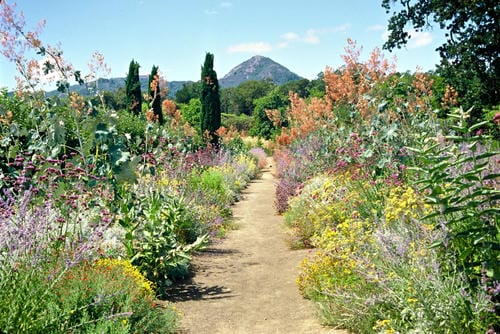
Storm events, especially when coupled with high winds and flooding, can have dramatic immediate effects on garden landscapes. Strong gusts can break stems, uproot plants, and scatter debris across garden beds, while prolonged water surges can wash away the soil that anchors plants in place. The after-effects of such storms may linger for seasons: compacted soil from repeated inundation restricts root growth and alters drainage patterns, and plants weakened by storm stress become more vulnerable to pests and disease. Even established trees can suffer long-term decline if roots are destabilized or repeatedly waterlogged. Less obvious but equally impactful are the compound effects of alternating weather extremes. A sequence of drought followed by heavy rain can erode unprotected topsoil, wash out seeds and seedlings, and impede the formation of healthy soil structure. Thus, the narrative of a garden’s evolution is increasingly being written by these intense, often unpredictable weather cycles.
Drought: The Slow Sculptor of Garden Topography
Drought represents a slower but profound force in landscape transformation. Unlike sudden storms, which imprint dramatic and obvious changes, drought exerts its influence over weeks, months, or even years. Extended periods without sufficient moisture lead to chronic water stress in plants that are not well adapted to dry conditions. Drought stress manifests through wilting, leaf scorch, stunted growth, and diminished reproductive success as plants struggle to maintain cellular functions without adequate hydration. In agricultural settings, these effects scale up to widespread crop failures; for instance, in 2025 record heat and drought conditions contributed to significant declines in staple crop yields in the United Kingdom, underscoring how sustained dryness can reshape entire food landscapes. [2]
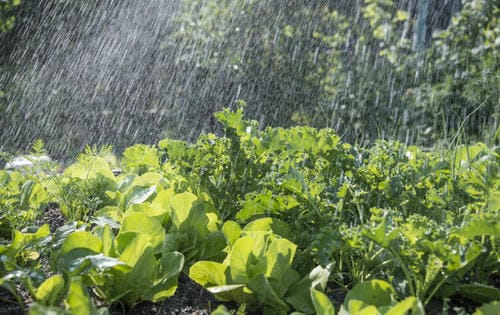
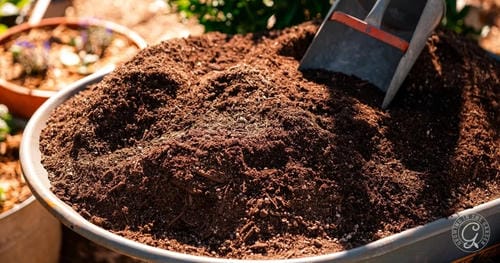
On a garden scale, the cumulative effect of drought is felt in soil condition and plant community composition. Dry soils not only lose moisture but can also release stored carbon to the atmosphere, altering microbial ecosystems that support plant health. Soils that become hard and cracked from repeated drying cycles are less able to absorb the next rainfall, increasing the likelihood of runoff and erosion. These soil dynamics influence which plants can thrive: drought-tolerant species with deep root systems, such as ornamental grasses, succulents, or certain herbs, may persist, while moisture-dependent plants retreat or perish. Over time, this selective survival reshapes the garden’s appearance and ecological character, favoring hardier, drought-adapted vegetation.
Moreover, drought alters the competitive balance among species. Native plants, which coevolved with local climate variability, may sometimes survive where ornamentals fail, but extreme and prolonged dryness can weaken even these hardy species. In some regions, drought-stressed landscapes become more susceptible to invasive species that tolerate heat and dryness better than native flora, further shifting the garden’s ecological identity. [3] In this context, drought becomes a slow sculptor, gradually redefining plant communities, soil structure, and the very ecology of garden spaces.
Storms and Climate Variability: Immediate Impacts and Long-Term Change
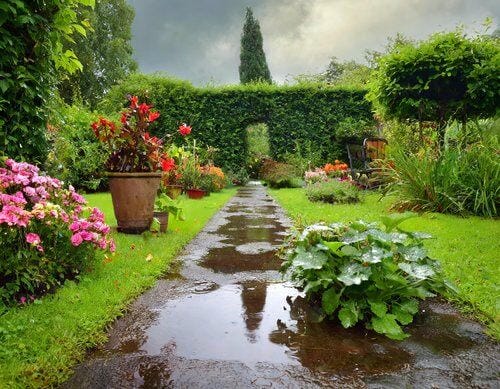
While drought shapes gardens on a longer timeline, storms and related extreme weather events often deliver immediate, visible change. Storm systems can vary in nature—ranging from intense thunderstorms to tropical storms and hurricanes—yet they share common effects: excessive water on the surface, gale-force winds, and the disruption of established garden features. When soil becomes saturated during heavy rainfall, root systems may be deprived of oxygen, leading to root rot or plant mortality. [4] Erosion from sudden downpours can carve channels through garden beds, displace mulch and topsoil, and expose plant roots, making recovery more difficult.
Gardeners today are recognizing that traditional weather norms are less predictive than they once were. With changing seasonal patterns, the timing and intensity of extreme weather events have shifted, making accurate weather monitoring an increasingly valuable tool. Experienced gardeners are installing backyard weather stations to track conditions specific to their garden locations rather than relying solely on broad regional forecasts, enabling more responsive irrigation and protection strategies as weather extremes unfold. [5]
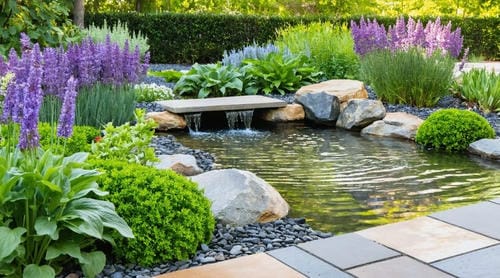
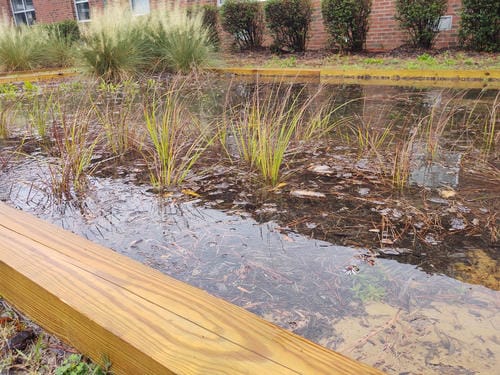
Storm-induced changes also interact with garden design and plant selection. Strategic placement of windbreaks such as hedges or fences can reduce physical damage to plants during high winds, while rain gardens or swales can absorb excess water during heavy rain, mitigating flooding and protecting vulnerable beds. However, observed shifts in weather patterns—such as increased frequency of intense rainfall followed by prolonged dry spells—challenge gardeners to rethink planting schedules and materials. Choosing plant species that are both wind tolerant and capable of surviving periodic droughts becomes an essential part of long-term garden planning.
Adapting to these conditions often involves embracing resilient garden practices that anticipate rather than simply respond to extreme weather events. By understanding local climate trends and adjusting garden design accordingly, gardeners can reduce the physical disruption wrought by extreme storms and prolonged droughts. [5] In this evolving climate narrative, gardens are not static landscapes but dynamic systems continually rewritten by the forces of weather—its tempests and its dry spells alike.
Sources:
[1]: https://sustainablelivingassociation.org/landscaping-for-climate-resilience-adapting-gardens-to-changing-conditions
[2]: https://www.theguardian.com/environment/2025/dec/04/record-heat-drought-2025-cost-uk-arable-farmers-estimated-800m-climate-crisis-grain-harvest
[3]: https://www.nvct.org/post/when-the-climate-shifts-invasives-move-in
[4]: https://gardening.ces.ncsu.edu/weather-2-2/handling-storm-damage-in-the-landscape
[5]: https://www.myjournalcourier.com/features/article/how-weather-watching-gardener-20033622.php
References:
https://www.nwf.org/Our-Work/Climate/Climate-Change/Greenhouse-Gases/Gardening-for-Climate-Change
https://gardenerswoodsidepark.org.uk/blog/ways-to-secure-your-garden-from-harsh-weather-impacts
https://ucanr.edu/site/uc-marin-master-gardeners/climate-change-your-garden
https://extension.psu.edu/designing-the-home-garden-for-drought-resilience
Recommended for you