Flexible Home Layouts That Anticipate Change and Enhance Daily Life
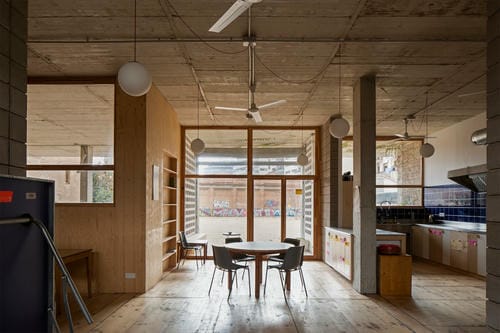
In contemporary home design, the idea of rigid, single-use rooms is giving way to a more fluid and responsive approach that prioritizes adaptability. Instead of categorizing spaces strictly as “kitchen,” “office,” or “guest room,” modern interiors embrace multifunctional layouts that can evolve alongside your lifestyle across different life stages. This shift reflects broader cultural changes—from the rise of remote work and hybrid schedules to increased urban density, where maximizing usable square footage is both a practical and aesthetic imperative. Flexible spaces are about intentional choices: identifying how you actually live in your home, anticipating future needs, and then crafting environments capable of embracing those shifting demands without renovation or disruption. According to interior design experts, flexible and adaptable spaces are defined by their ability to be reconfigured to meet changing needs without significant physical alterations, turning a single area into a canvas for multiple functions as required by daily life. [1]
In practical terms, this philosophy often begins with an analysis of daily routines and long-term goals. Before selecting furniture or finishing materials, thoughtful designers encourage homeowners to map out the activities that matter most: a place to work during the day, a haven for rest in the evening, and perhaps a guest area on weekends. Identifying these priorities helps inform decisions that ensure each square foot of your home supports multiple purposes. The result is not chaotic multipurpose clutter but a harmonious system of zones and layers that can shift seamlessly from task to task. Multifunctional furniture, lighting that delineates zones, and modular storage solutions all play a role in creating a narrative of flexibility rather than fragmentation.
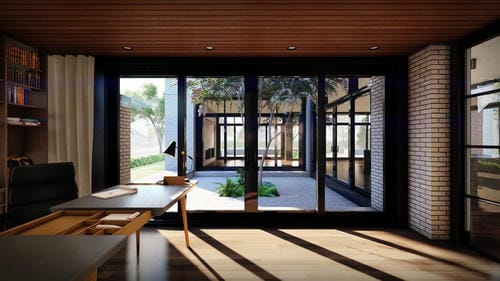
Designing for Adaptability: Tools and Techniques for Flexible Layouts
Once the conceptual groundwork is laid, the real magic happens through smart design interventions that allow spaces to be easily re-imagined for various uses. At the heart of adaptive home design are strategies that maintain openness while still enabling functional delineation through non-permanent means. This begins with modular and multifunctional elements: furniture that can transform or serve dual purposes, such as a dining table that extends for work projects or family meals, shelving units that act as subtle room dividers, and ottomans or benches incorporating hidden storage. These components give a space a built-in flexibility that feels intentional and elegant rather than improvised.
Further enhancing adaptability, designers often employ zoning techniques that visually define areas without erecting physical walls. Rugs, layered lighting, and color variations can signal shifts in function within an open plan, creating natural transitions from lounging to working or dining to playing. Portable screens, curtains, or lightweight partitions offer additional options for temporary separation, giving privacy or visual focus on demand. In more advanced applications, movable or sliding walls fundamentally change spatial relationships without the permanence of traditional construction, allowing a living room to morph into a guest suite or a quiet study area in minutes. [2]
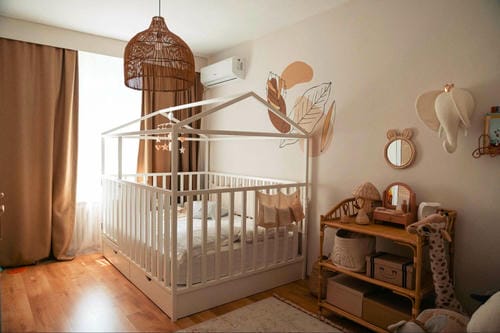
Intelligent use of the vertical plane also unlocks hidden potential. Walls are no longer mere boundaries but functional surfaces outfitted with shelving, fold-down desks, or retractable beds that tuck away when not in use. This approach maximizes usable volume and keeps floors clear for mobile activities. Layered lighting further supports adaptability: task lighting for focused work, ambient light for relaxation, and accent fixtures to create mood or define zones. Strategic lighting shifts the perception of space, making the same room feel purpose-built for different activities throughout the day.
In focusing on adaptability, it’s essential to prioritize ease of transition. Furniture and partitions should be light enough to move without effort, and systems for defining space—whether physical or visual—must be intuitive so that reconfiguration becomes a natural part of daily life. Intentional flexibility avoids clutter and confusion, and instead yields spaces that feel coherent yet dynamic, supporting a wide range of uses without sacrificing style or comfort. [3]
Creating Ever-Evolving Home Environments
Flexible spaces are not merely aesthetic innovations—they are deeply practical responses to the realities of modern living. With a thoughtful design approach, a living room can serve as a home office by day and a cozy guest suite by night; a spare room can alternate between a workout zone and creative studio; and a dining area can double as a homework station or crafting nook. This adaptability reflects how families actually inhabit their spaces: fluidly, responsively, and often simultaneously across roles and routines. Well-designed adaptive spaces recognize that your home is not static but an evolving environment shaped by shifting priorities.

The trend toward flexible zones also aligns with sustainability and long-term value. Homes that accommodate change without structural remodeling not only save on cost and materials but also bolster resale appeal, given that prospective buyers increasingly cite adaptable layouts and multifunctional rooms as important features. In fact, research indicates a significant increase in renovation projects that integrate “flex rooms” or convertible spaces in response to diverse lifestyle needs.
Ultimately, intentional design for adaptability invites homeowners to rethink assumptions about space and utility. It encourages a mindset that welcomes change rather than resisting it, allowing each room to evolve along with its inhabitants. Through thoughtful planning and creative execution, flexible spaces transcend mere trends—they become enduring hallmarks of living environments that are as purposeful as they are personal. [4]
Sources:
[1]: https://dyelot.com/glossary/flexible-and-adaptable-spaces
[2]: https://businesscraft.se/design-trend/adaptive-spaces-2026-how-modular-design-and-multifunctional-layouts-are-redefining-the-modern-home
[3]: https://raydoor.com/discover/blog/design-guides/flexible-space/
Reference:
https://habitariinteriordesign.com/designing-flexible-spaces-that-adapt-to-your-needs
Recommended for you