How to Map and Use Your Backyard’s Microclimates?
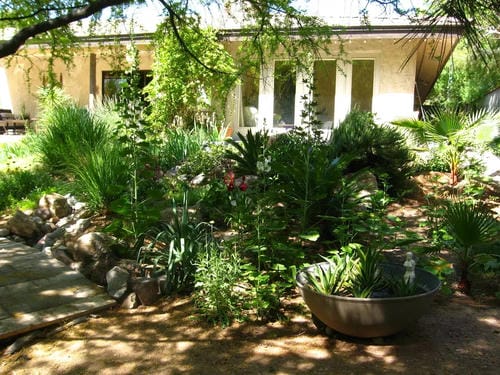
Your backyard garden might look like a single, uniform growing space at first glance, but beneath the surface there’s a hidden patchwork of environmental zones—microclimates—that can dramatically influence plant health, growth rates, and overall success. These subtle variations in temperature, sunlight, wind exposure, moisture, and soil conditions can make certain parts of your garden ideal for some plants and challenging for others. Understanding and mapping these microclimates can solve persistent gardening problems and open up new opportunities for productivity.
What is Garden Microclimates and Why They Matter
A microclimate is the localized climate of a specific area that differs from the larger regional climate. Microclimates can exist even within a few feet of each other in your backyard. They arise from variations in factors such as sunlight exposure, wind patterns, soil moisture, topography, and nearby structures. While nationwide hardiness zone maps give a broad picture of climate suitability, they cannot account for the detailed variations present from one bed to the next in a garden. Recognizing microclimates helps you match plants to the right spots, avoid issues such as frost damage, and extend your growing season beyond broader zone expectations. [1]
Sunlight and shade are among the most consequential factors in creating microclimates. Areas that receive at least six hours of direct sun each day tend to be warmer and more suitable for vegetables like tomatoes or herbs that require full sun. Conversely, shaded areas—whether under trees or on the north-facing side of buildings—stay cooler and may be excellent for shade-tolerant ornamentals or ferns. Seasonal changes also influence sunlight patterns as the sun’s angle shifts across the sky throughout the year.
Temperature variations can be surprisingly distinct across small distances. South-facing walls or paved patios absorb heat during the day and radiate it at night, creating warm pockets that can protect cold-sensitive plants and extend the growing season. Low-lying depressions may collect cool air and exhibit frost pockets early in spring or late in fall, limiting what can be planted there without protection. Wind can further shape microclimates by increasing evaporation, cooling exposed areas, or by being slowed down by hedges and fences, creating sheltered pockets. [2]
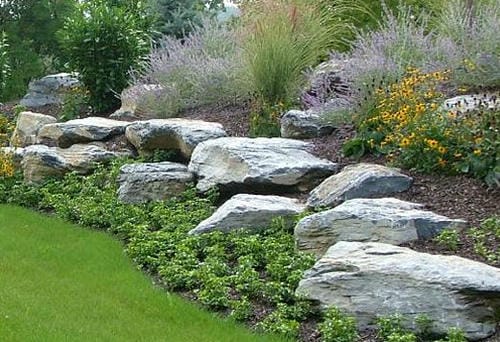
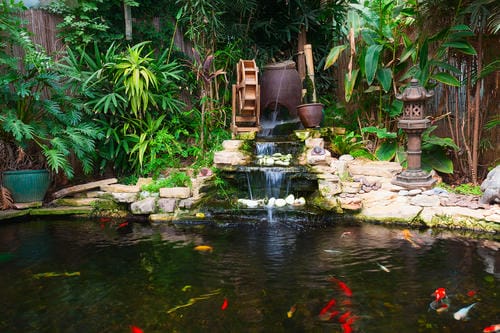
Soil also plays a crucial role. Different parts of your garden may have variations in soil composition, drainage, and moisture retention, all of which influence root health and plant stress. For instance, sandy areas might dry out quickly and suit drought-tolerant species, whereas clay or shaded depressions may remain damp longer, favoring moisture-loving plants. Water bodies, whether existing ponds or irrigation zones, can moderate nearby temperatures and humidity, further contributing to microclimate diversity.
Understanding microclimates is not merely academic; it solves real problems that many gardeners grapple with. Why do some plants thrive while others planted only a few feet away struggle? Mapping microclimates helps eliminate guesswork and informs decisions about plant placement, watering schedules, and protective measures. When you align plant needs with specific microclimate conditions, you significantly increase your likelihood of success and reduce wasted effort on plants in unsuitable locations. [3]
Mapping Your Backyard: Identifying Microclimate Zones
Mapping microclimates in your backyard starts with systematic observation. Begin by tracking sunlight patterns across different times of the day and seasons. Use a notebook or a smartphone app to document which areas receive full sun (generally defined as six or more hours of direct sunlight), partial sun/shade, or full shade. This observation helps you classify areas and choose plants that fit each light condition.
To assess wind exposure, observe how the air moves around your garden on breezy days. Use simple tools like ribbons or flags attached to stakes placed at various points to visualize wind direction and speed. Wind-exposed areas may dry out quickly and stress plants, whereas sheltered pockets behind fences, buildings, or hedges can offer calmer, more stable conditions.
Temperature differences can be measured using inexpensive outdoor thermometers. Place them at plant height in several garden locations and record readings at different times of the day and night over a period of days or weeks. Documenting these patterns will identify warmer or cooler regions of your garden. These data points help reveal frost-prone spots, heat sinks near walls or patios, and areas that may warm earlier in spring.
Examining soil conditions involves digging small test holes around the garden after rain or watering. Observing how quickly water drains from these holes and feeling soil texture provides insight into moisture retention and drainage differences. Wetter areas might be better for moisture-loving species, while fast-draining sections can be suitable for drought-tolerant crops.
Elevation and terrain subtlety also influence microclimates. Slight slopes affect how water runs off and where cold air may settle. Higher ground often drains well but may be drier and warmer, while lower depressions can become soggy and susceptible to frost. By sketching a layout of your backyard that includes permanent features such as buildings, trees, fences, and elevation changes, you begin creating a visual representation of your garden’s microclimates.
As you gather these observations, draw or annotate a map of your garden. Mark areas of full sun, partial shade, and full shade with different colors or symbols. Use arrows to indicate prevailing wind direction and sheltered corners. Label warmer spots near heat-retaining surfaces and cooler pits where frost accumulates. Include notes on soil moisture and drainage, and indicate elevation changes. This visual guide becomes a powerful tool for planning plant placement and garden design.
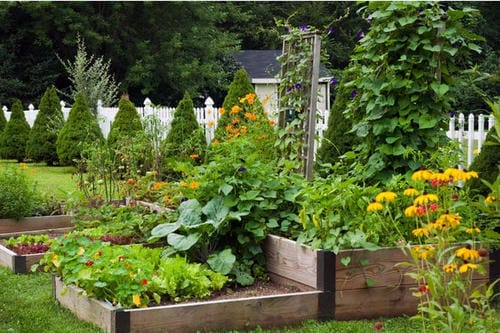
Once your microclimate map is complete, use it to match plant needs with the specific conditions you’ve identified. Warm, sunny areas can support heat-loving plants and early spring crops. Cooler, shaded areas might be ideal for leafy greens or shade-tolerant ornamentals. Moist depressions may become home to water-loving plants or bog gardens. Wind-protected niches can nurture tender species that otherwise struggle exposed to the elements.
By embracing the concept that your garden contains distinct microzones rather than a single uniform climate, you gain problem-solving power. You can make informed decisions about plant selection, irrigation, and even garden layout changes that align with the natural tendencies of each microclimate. The result is better plant performance, fewer surprises, and a garden that works with nature rather than against it. [2]
Sources:
[1]: https://commonsensehome.com/plant-hardiness-zones-microclimate
[2]: https://en.jardineriaon.com/create-garden-microclimate.html
[3]: https://gardentabs.com/microclimates-garden-success-tips
Reference:
https://livetoplant.com/the-science-behind-microclimate-zones-in-landscaping
Recommended for you