A Creative Path to Sustainable Living by Reinventing Forgotten Furniture into Statement Pieces
Upcycling furniture has emerged as both a creative pursuit and a meaningful response to the environmental challenges of modern consumer culture. As concerns about waste and resource depletion grow, reclaiming old furniture and imbuing it with new life has evolved beyond a niche hobby into a vibrant movement that marries artistic expression with sustainability. What was once discarded, dusty, or outdated now becomes a canvas for originality and environmental responsibility. In this article, we explore how upcycling infuses forgotten furniture with artistic flair, contributes to sustainable living, and reshapes how we think about material value in our homes.
Upcycling as Sustainable Practice and Environmental Necessity
At its core, upcycling is the process of transforming discarded, forgotten, or unused materials into products of higher value—practically and aesthetically—without breaking them down into raw materials as in traditional recycling. This approach contrasts sharply with recycling, which often involves industrial breakdown and reprocessing; upcycling instead repurposes items directly, preserving material integrity and reducing energy consumption. Because of this, upcycling consumes far less energy and resources than manufacturing new goods from scratch and can often be executed at home with basic tools and creativity. [1]
From an environmental perspective, upcycling provides tangible benefits that address some of the most pressing sustainability issues of our time. One of the most immediate advantages is the reduction of landfill waste. Furniture is bulky, often difficult to recycle, and regularly contributes to overfilled waste streams. By giving furniture a new purpose instead of consigning it to disposal sites, upcycling helps alleviate landfill burden and the environmental hazards associated with landfill decomposition, such as methane emissions.
In addition to waste reduction, upcycling plays a significant role in conserving natural resources. Traditional furniture production relies on the harvest of raw materials—such as timber, metal, and textiles—that often involves deforestation, mining, and energy-intensive processing, all of which contribute to ecosystem degradation and pollution. Every piece of furniture repurposed through upcycling means one less demand placed on these finite resources, promoting a more circular use of materials. Moreover, because upcycling avoids the extensive manufacturing chain involved in producing new goods, it also minimizes carbon emissions associated with resource extraction, transportation, and industrial processing, effectively lowering its environmental footprint. [2]
There are also economic advantages to upcycling. Repurposing forgotten furniture often requires less financial investment than purchasing new pieces, especially when sourcing items from thrift stores, yard sales, or even curbside giveaways. This affordability makes upcycling an accessible entry point to sustainable living, allowing individuals to furnish their homes thoughtfully without overspending.
Beyond economic and environmental benefits, upcycling fosters personal empowerment and creative expression. Each piece transformed reflects the maker’s choices—whether in color, texture, form, or function. In this way, upcycling becomes a form of artistic practice. No two pieces need look or feel the same; every curve, crack, and imperfection can be celebrated and woven into a design that speaks to individuality. [3]
Creative Transformation: Crafting Unique and Sustainable Interiors
The creative possibilities for transforming old furniture into distinctive, sustainable pieces are truly limitless. With a little vision and effort, an outdated dresser can become a stylish bar cart, a tired library chair can be revived with fresh upholstery, and wooden pallets can become sleek shelving units. What unites these projects is not just their aesthetic transformation, but the underlying ethos of rescuing material from obsolescence.
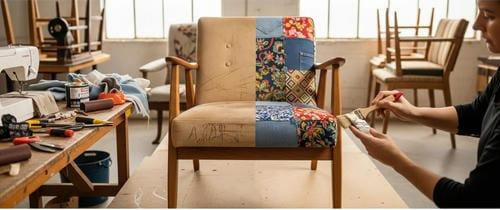
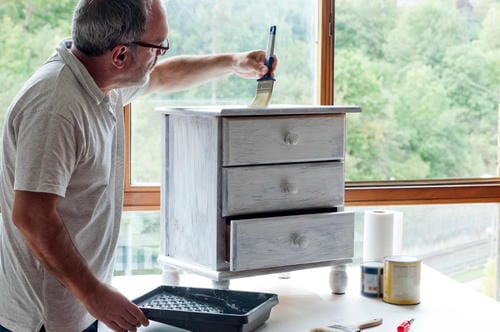
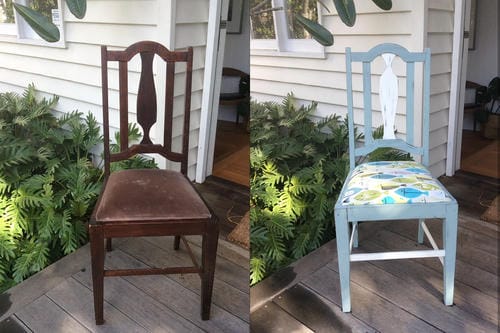
One of the most compelling aspects of upcycling furniture is its accessibility. You do not need to be a professional carpenter or have specialized equipment to participate. Many projects begin with simple steps such as sanding, repainting, reupholstering, or adding creative hardware. For example, a coat of chalk-style paint can instantly modernize a scratched end table, while reupholstering an old chair with sustainable, recycled fabric can give it a fresh look that aligns with both your taste and your values.

Furniture upcycling ideas range in complexity but encourage homeowners to think beyond traditional uses. Vintage suitcases can be turned into chic side tables with added legs or structural support; dining chairs with missing seats can be transformed into garden benches with weatherproof materials; and old crates or boxes can be repurposed as rustic coffee tables or wine racks. These imaginative applications not only add functionality but also infuse interiors with character and history. [4]
The use of reclaimed wood is another popular creative direction. Pallets, barn wood, or salvaged boards can be upcycled into everything from coffee tables to headboards, each piece telling its own story through grain patterns, imperfections, and patina. The resulting furniture is often more unique and personal than mass-produced alternatives, reinforcing the artistic value of repurposing.
Even beyond wood, other materials like metal piping, industrial hardware, and textile remnants find new life through upcycled furniture. Metal pipes combined with wooden planks can create sturdy shelving systems or clothing racks that balance industrial chic with sustainability. Old fabric remnants, meanwhile, can be reworked into cushion covers or woven into upholstery, adding texture and color while keeping waste out of landfills.
Incorporating upcycled furniture into home design can also enhance interior spaces by adding depth and visual interest. Because these pieces are often one-of-a-kind, they can act as focal points that reflect both personal taste and environmental consciousness. Mixing upcycled items with modern or minimalist décor can create harmonious tension within a room, while a fully upcycled space can tell a cohesive story about sustainability, innovation, and mindful consumption. [5]
What’s more, upcycling extends beyond furniture into décor and functional elements throughout the home. Salvaged wood can be turned into wall art or frames, glass jars can serve as decorative storage, and vintage textiles can be transformed into throw pillows or table runners. This multi-faceted approach to creative reuse means that every corner of a home can benefit from thoughtful interventions that are both stylish and sustainable.
As more people embrace eco-friendly lifestyles, upcycled furniture also plays a role in supporting community engagement and collaboration. DIY workshops, local upcycling events, and online communities provide platforms for sharing techniques, inspiration, and feedback, fostering a collective commitment to reducing waste and redefining what we consider valuable in our material world. These social aspects contribute to the broader cultural shift toward sustainable living that extends far beyond individual homes.
At its heart, the art of upcycling furniture challenges us to reconsider our relationship with objects. Rather than seeing furniture as disposable commodities, we begin to recognize them as enduring resources with potential waiting to be unlocked. By repurposing the old and overlooked, we infuse our living spaces with creativity and purpose while making meaningful contributions to environmental stewardship.
Sources:
[1]: https://www.recyclingtoday.org/blogs/news/what-is-upcycling-a-complete-guide-to-sustainable-creativity
[2]: https://www.emission-index.com/carbon-footprint/upcycling
[3]: https://sustainablesprojects.com/2024/02/01/upcycling-furniture-transforming-thrift-finds-into-stylish-pieces
[4]: https://getwecycle.com/blogs/ways-to-upcycle-old-furniture
[5]: https://ten-home.com/top-10-upcycling-ideas-for-furniture-and-home-decor
References:
https://commongoodventures.org/posts/the-advantages-of-repurposing-and-upcycling-furniture--site-name
https://www.recyclingtoday.org/blogs/news/what-is-upcycling-a-complete-guide-to-sustainable-creativity
https://sustainablehomemag.com/eco-friendly-diy-and-upcycling-furniture-ideas
https://iere.org/how-does-upcycling-help-the-environment
https://www.thegoodboutique.com/inspiration/upcycling-and-repurposing-furniture-a-sustainable-alternative
Recommended for you