How Indoor Vertical Gardens Bring Life to Small Apartments?
Indoor vertical gardens are transforming the way urban residents approach home design and nature-based living. For apartment dwellers with little to no backyard space, these gardens provide a compelling way to bring greenery indoors while maximizing limited square footage. Rather than sprawling across floors or taking over patios, vertical gardens use wall space, corners, and unused vertical real estate to cultivate an abundance of plants — from lush foliage and aromatic herbs to fresh edible greens. Rooted in biophilic design, these vertical living installations not only beautify interiors but also offer health and environmental benefits, from improved air quality to increased psychological well-being. Practical and creative, indoor vertical gardens are now an integral part of contemporary small-space styling. Across the following sections, we explore how to design, build, and maintain a vertical garden that thrives in compact apartments and becomes an eye-catching element of modern home décor.
Indoor vertical gardening begins with understanding how to use vertical surfaces efficiently and stylishly. Unlike traditional potted plants that occupy precious floor space, vertical gardens elevate greenery on walls, frames, ladders, or freestanding towers, making them ideal for studios, lofts, or apartments without outdoor access. Wall-mounted planters and living walls are among the most prominent solutions. These systems attach directly to vertical surfaces and can accommodate a wide range of plant types, including herbs, flowering plants, and trailing vines. For renters or those hesitant to drill into walls, removable options such as pegboard systems or hanging pocket organizers provide flexibility without damaging surfaces. Modular pocket planters made of fabric or felt offer breathable planting pockets and are especially adaptable for lightweight herbs and succulents, which flourish in compact pocketed environments. These hanging systems are simple to install and rearrange, allowing residents to customize their green displays as light conditions or interior aesthetics evolve over time. [1]
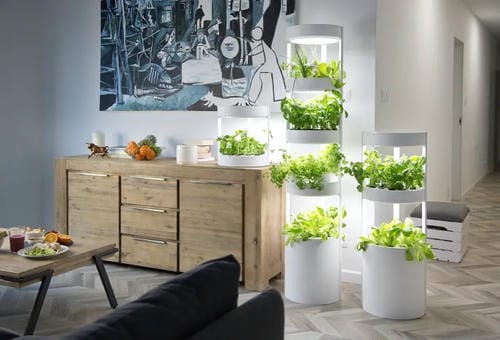
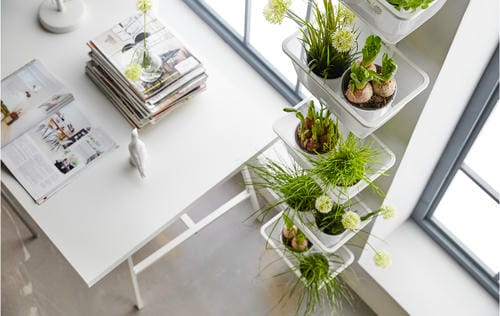
Freestanding vertical structures also offer compelling alternatives. Tiered plant stands, ladders repurposed as planter supports, and vertical hydroponic towers can transform cramped corners into lush green focal points. Ladder-style plans use each rung as a platform for pots or hanging planters, creating a cascading effect of greenery that draws the eye upward and makes even small rooms feel taller. Hydroponic towers use soil-free techniques to grow leafy greens and herbs efficiently using nutrient-rich water and integrated LED lighting, making them especially suitable for kitchens or sunrooms where clean, soil-free gardening is preferred. This type of system can be exceptionally space-efficient, supporting numerous plants within a small vertical footprint and often incorporating self-watering or automated features that reduce the day-to-day maintenance required. [2]
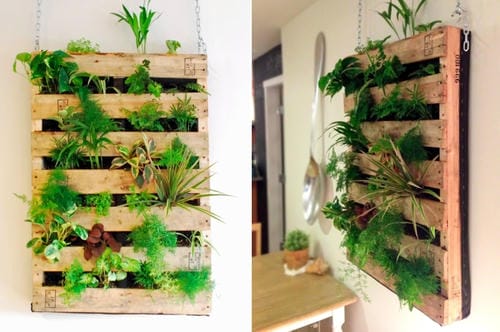
DIY vertical garden projects further expand the creative possibilities for small apartments. Repurposing everyday materials such as wooden pallets, PVC pipes, or mason jars can yield charming and cost-effective green installations. A wooden pallet, lined with landscape fabric and filled with soil, can become the backbone of a vertical herb garden, perfect for growing basil, oregano, or mint right on a kitchen wall. Mason jars attached to a board provide quaint, transparent planters for small succulents or herbs, allowing for easy hydration checks and adding a vintage feel to interiors. PVC pipe gardens, in which pipes are cut and filled with planting media, offer a modern, modular solution for vertical planting that can be arranged creatively on walls or within shelving units. These DIY approaches enable apartment inhabitants to express personal style while making the most of every inch of vertical space. [3]
Plant selection is another essential factor in creating successful indoor vertical gardens, especially in apartments where light and humidity vary dramatically from room to room. Choose plants based on the specific conditions of each vertical location: shade-tolerant, air-purifying species such as pothos, snake plants, and peace lilies thrive in lower-light interior spaces and contribute to cleaner indoor air. Aromatic herbs like rosemary, sage, and cilantro not only add visual intrigue but also deliver sensory benefits and fresh ingredients for cooking. Humidity-loving plants such as ferns and calatheas can flourish in bathrooms where steam from showers creates a naturally moist environment, while sun-loving herbs and leafy greens do best near windows or under grow lights if natural light is limited. Pairing plants with appropriate micro-conditions ensures that each vertical section of the garden thrives. [4]
Beyond aesthetics and plant choice, successful vertical gardens for apartments rely on practical systems that simplify care. Self-watering planters and integrated drip trays help maintain consistent moisture and prevent water from damaging floors or walls, making them indispensable in indoor settings. Using lightweight potting mixes enriched with perlite or coconut coir enhances drainage and keeps roots healthy within vertical pocket systems. For those who prefer soil-free setups, hydroponic systems with automated water circulation and full-spectrum LED lights create optimal growing environments for vegetables and herbs year round, regardless of outdoor weather conditions. These smart systems can include app-based monitoring that alerts users to water levels, nutrient needs, or lighting adjustments, reducing the guesswork associated with plant care.
Vertical gardens can also serve as creative décor elements that reinforce the connection between nature and interior design. Using grid frames or metal pipe structures gives apartments an industrial chic character while supporting a dense array of foliage. Wooden crates or recycled materials can introduce rustic charm that complements eclectic or bohemian interior palettes. Incorporating decorative accents, such as miniature figurines or ornamental stones placed among the plants, adds personality and visual variety. Rotating seasonal plantings or introducing new colors and textures throughout the year can keep vertical gardens feeling fresh and alive, further integrating them into the rhythm of home life. [4]
For many apartment dwellers, vertical gardens represent an intersection of practicality, aesthetics, and well-being. They create microclimates that not only beautify interiors but also promote healthier air quality and foster a deeper sense of harmony with nature. As urban living spaces continue to shrink and design trends move toward multifunctional interiors, vertical gardening stands out as an innovative and adaptable solution. From wall-mounted pocket planters to hydroponic towers and handcrafted pallet gardens, the opportunities to bring verdant life into small apartments are boundless. With thoughtful planning and creativity, anyone can transform blank walls or unused vertical corners into thriving green sanctuaries that refresh both space and spirit.
Sources:
[1]: https://www.searchhounds.com/articles/the-rise-of-farm-to-table-dining-transforming.html
[2]: https://www.journeymanhq.com/69814/vertical-gardening-solutions-for-indoor-spaces
[3]: https://plantisima.com/diy-vertical-gardening-ideas-for-small-spaces
[4]: https://www.architecturecourses.org/design/vertical-gardens
[4]: https://www.archfoundation.org/b/innovative-vertical-garden-hacks
References:
https://www.habitatista.com/30959/7-indoor-gardening-techniques-for-urban-apartments
https://www.homesandgardens.com/gardens/vertical-indoor-garden-ideas
https://verticalgardensolutions.com/5-creative-vertical-garden-ideas-for-indoor-spaces
Recommended for you