Gardens That Tell a Story Through Color Transitions and Scented Plant Journeys

Designing gardens that engage visitors through discovery and sensory delight transforms a traditional outdoor space into an experiential landscape. At its heart, this approach elevates garden design from a static collection of plants into a dynamic treasure hunt, where visitors are guided along themed trails based on color or scent. While traditional garden layouts prioritize symmetry or botanical classification, themed gardens built around color and aromatic pathways invite exploration, evoke emotion, and create memorable interactions with nature. By incorporating principles from sensory gardens—spaces intentionally designed to engage the senses of sight, smell, touch, taste, and sound—gardeners can create immersive color trails and scent-focused experiences that captivate visitors of all ages. These immersive gardens take cues from sensory design concepts that highlight vibrant plant palettes and fragrant species that engage visitors physically and emotionally. Sensory gardens emphasize winding paths and plants selected for their visual and aromatic appeal, fostering a deeper connection between people and plants. [1]
Designing Gardens That Engage the Senses
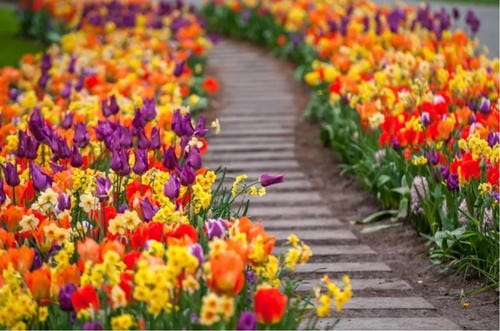
The use of color as a guiding principle in garden design harnesses the powerful effect of visual stimulation. A color trail can be as simple as arranging plants from cool to warm hues along a path or as intricate as creating themed color zones that shift the atmosphere as visitors move through them. Warm colors such as reds, oranges, and yellows can evoke energy and excitement, while cool tones like blues, purples, and greens elicit calm and reflection. In practice, this might translate to a sequence of planting beds that begin with fiery marigolds and red salvias at the garden entrance, transition through sunny yellows like coreopsis, and culminate in soothing blues and purples such as lavender and salvia deeper within the space. This deliberate sequencing not only delights the eye but also encourages visitors to linger and explore each segment of the garden more attentively. By selecting plants with different bloom times within each color zone, you can maintain a dynamic display throughout the season and deepen the sense of discovery.
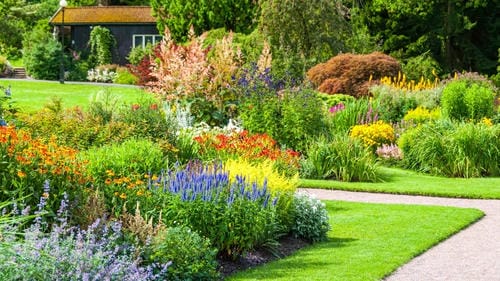
Similarly, scent trails offer a compelling way to create themed gardens rooted in the olfactory experience. A scent trail unfolds as visitors walk through a sequence of fragrant plants, each chosen for its aromatic character. Aromatic herbs such as lavender, mint, thyme, and rosemary can form the backbone of a scent trail, releasing their fragrance when brushed by visitors or stirred by a breeze. Integrating climbing jasmine or honeysuckle on arches and trellises can create immersive scented corridors that heighten sensory engagement. These fragrant passages not only guide movement but also anchor powerful memories; scent has a unique ability to evoke emotion and trigger recollection long after the visit. By incorporating fragrant varieties that bloom at different times of the day or growing season, such as evening-scented stocks or night-blooming jasmine, a scent trail can remain engaging from dawn until dusk. [2]
Both color and scent trails contribute to creating gardens that are interactive by design. Rather than simply being admired from a distance, these gardens encourage visitors to touch, smell, and engage with their surroundings. In educational settings, color-based trails can be coupled with scavenger hunts that challenge participants to identify specific hues or shades in the landscape. Scavenger hunts in gardens provide a structured way to direct attention, helping participants hone observation skills while exploring the environment. By offering clues or checklists that revolve around plant characteristics or sensory discoveries, gardens become interactive treasure hunts that promote deeper engagement and learning. [3]
Implementing Themed Paths in Real Garden Spaces
Designing themed gardens with color or scent paths also enhances accessibility and inclusivity. Sensory gardens are frequently used in spaces designed for children, the elderly, or individuals with disabilities as they provide opportunities for tactile exploration and multi-sensory engagement. These principles dovetail with the concept of themed treasure paths: creating a route that beckons exploration while ensuring that the experience remains clear and rewarding for everyone. Pathways might be constructed with varied textures like smooth stones, wood rounds, or mulch to invite barefoot walking or tactile interaction, and benches or resting spots placed at key sensory highlights can provide comfortable pauses.

Practical implementation of color and scent trails begins with a thoughtful site assessment. Analyze the site’s microclimates, soil types, and sun exposures to determine which plants will thrive and when they will be at their peak. For example, planting aromatic species such as lavender and mint in sunny, well-drained sections of the garden will optimize their fragrance and bloom performance. Meanwhile, shade-tolerant shade-loving plants with scented foliage may be better suited to shaded trails. Consider native species within your region when selecting plants as they often require less maintenance and better support local wildlife like birds and pollinators, enhancing both the ecological value and sensory experience of your garden.
Mapping out a draft of your color or scent trail prior to planting is advisable. Sketch the pathway on paper or use garden design software to test different plant combinations and color transitions. Think of your garden as a narrative: where does the story begin and how will each thematic element flow into the next? For scent trails, this may mean beginning with fresh, citrus-like aromas and segueing into deeper floral or herbal notes as visitors progress. In color trails, you might choose to move from high-contrast bold colors into more muted pastel tones, or arrange plants to reflect the colors of the seasons.
Interactive elements can enrich these themed gardens further. Incorporate educational signage, QR codes linked to plant information, and simple activity prompts to elevate the visitor experience. For example, a sign near a patch of rosemary could invite visitors to gently crush a leaf to release its scent, or a color-coded map could guide observers to find specific hues in the garden. These interactive features transform a passive walk into an engaging journey of discovery that encourages visitors to connect more meaningfully with the landscape.
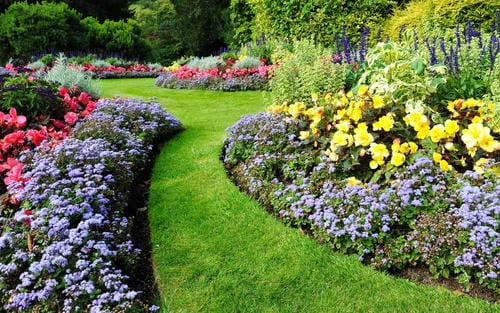
Maintenance of themed gardens with color and scent pathways requires regular attention to ensure that plants remain healthy and the intended sensory effects are preserved. Seasonal pruning, deadheading spent blooms, and replenishing mulch will support plant vigor and visual appeal. Continually assess scent trails for peak bloom performance, replacing or augmenting plantings as needed to sustain fragrance throughout the garden season. Adjust the layout over time based on visitor feedback or observed engagement patterns. The beauty of themed gardens lies in their flexibility: a scent trial or color path can evolve with new ideas, trends, or plant introductions, making your garden a living, ever-changing exhibit.
Incorporating bright and inviting plant labels, interactive garden games, or even simple treasure hunt clues creates opportunities for repeated visits and exploration. Whether you are designing a community garden, a public botanical space, or a private backyard retreat, themed color and scent gardens offer a pathway to bring nature’s wonders to life, engaging both the senses and the imagination of visitors.
Sources:
[1]: https://naturalearning.org/sensory-gardens
[2]: https://www.stewartmilnehomes.com/how-to-design-your-perfect-sensory-garden
[3]: https://scavenger-hunt.co/blogs/plan-a-childrens-birthday-party/scavenger-hunt-in-the-garden
References:
https://kidsgardening.org/wp-content/uploads/2024/04/Sensory-Gardening-Activity-Kit-sm.pdf
https://www.gardeningknowhow.com/special/accessible/sensory-garden-ideas.htm
Recommended for you