Cool Metals Transforming Home Style in 2026
Why Cool Metals Are Having Their Moment?
In a landscape that has long been dominated by the warm gleam of brass, bronze, and gold finishes, 2026 is witnessing a noticeable pivot toward cooler metal tones across interior environments. This shift is neither fleeting nor superficial; rather, it reflects a broader aesthetic conversation about balancing warmth and brightness in living spaces. Designers are increasingly elevating finishes like polished chrome, stainless steel, brushed nickel, and nuanced silver accents as essential elements for contemporary interiors. This renewed appreciation for cooler metals isn’t about reverting to the sterile chrome of early 2000s design, but about reinventing these finishes in more sophisticated and context-sensitive ways. Think of cool metals not as a throwback but as a modern tool for infusing interiors with clarity, reflection, and architectural crispness. [1]
The appeal of cool metals lies partly in their ability to interact dynamically with light and materials. Polished chrome and stainless steel, for example, can act almost like design catalysts—capturing natural and artificial light, while also providing visual contrast with textured surfaces like wood, stone, or plaster. This makes them highly versatile across distinct design genres, from industrial and minimalist to contemporary and transitional. The reflective qualities of these finishes allow them to recede into the background when understated or to take center stage when paired with bolder forms and geometries, such as sculptural lighting fixtures or statement hardware. This adaptability ensures that cool metals remain relevant not just as accents, but as integrated design components that shape how a space feels both functionally and aesthetically.
More than just a stylistic choice, the resurgence of cool metals aligns with a wider interior design ethos that emphasizes quality, layering, and personal expression. Contemporary spaces are increasingly curated rather than matched, and cool metals contribute a crisp, tailored layer that helps balance other elements of a room. As designers and homeowners embrace deeper palettes—think warm woods, earth tones, and rich textiles—the interplay between these materials and cooler metals creates a visually compelling dialogue. This balance helps establish interiors that are simultaneously grounded and elevated, calm yet discerning.
Applications and Expressions in 2026 Homes
The influence of cool metals in 2026 interiors extends far beyond hardware on cabinetry; it permeates lighting, furniture, fixtures, and even decorative accents. Lighting design, in particular, has become a fertile ground for cool metal innovation, with fixtures incorporating chrome, brushed nickel, and stainless steel in sleek forms that emphasize both performance and aesthetics. Strategically placed pendants, sconces, or chandeliers in cool finishes can act as focal points while reflecting surrounding colors and textures, enhancing the perceived depth of a room. Such thoughtful integration enhances ambient lighting while also contributing visually to the composition of the space. [2]
Similarly, cool metal finishes are being used to elevate architectural details like door handles, railings, and built-in shelving hardware. The choice of brushed nickel or similar finishes in these applications offers subtle shine without overwhelming other design elements. This nuanced approach helps create cohesion across layers of hardware and fixtures, ultimately contributing to an interior that feels curated and deliberate rather than pieced together. Integrating cooler metals with mixed material design strategies—such as pairing them with wood or stone—adds dimension and a sense of thoughtful contrast.
Contemporary furniture is also embracing these cooler finishes. Designers are using stainless steel and chrome as structural or accent materials in tables, chairs, and storage pieces. In these contexts, cool metals can underscore minimalist or industrial design languages, offering both strength and visual lightness. Their durability makes them practical for high-use furnishings, while their reflective qualities infuse spaces with a sense of openness and sophistication. Even in accessories like planters, trays, or art frames, cool metallic finishes function as connective threads that tie together disparate elements within a room, creating a harmonious visual narrative. [3]
Beyond functional pieces, the aesthetic potential of cool metals is also being explored in decorative accessories that evoke a refined, European-influenced sensibility. Sleek silver tray sets, polished metal vases, and brushed nickel frames introduce subtle luxury without overt flashiness. These refined accents align with broader design trends emphasizing personal expression and layered interiors—spaces that reflect the folks who inhabit them rather than a one-size-fits-all aesthetic. In this way, cool metal finishes serve as both anchors and accents, capable of fitting into diverse stylistic contexts from Scandinavian modern to urban loft-inspired design.
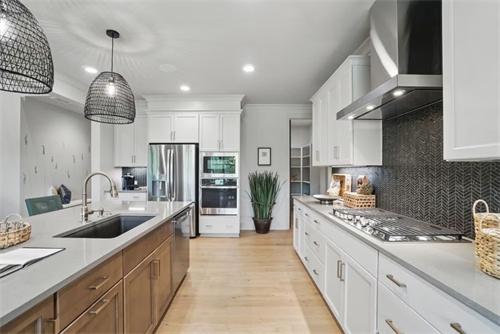
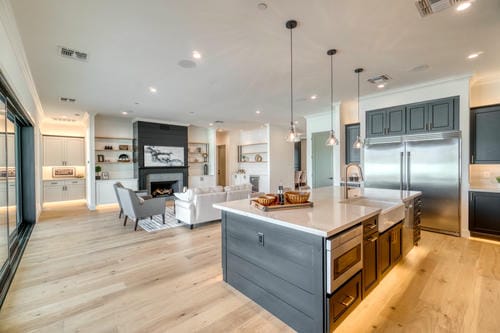
Moreover, cool metals are making inroads into spaces traditionally dominated by warm metals, such as kitchens and bathrooms. Stainless steel and brushed nickel fixtures, for example, are being selected not just for their utility but for their ability to contribute to a cohesive visual scheme. These finishes work particularly well in minimalist settings that prioritize clean lines and functional clarity but also offer refreshing contrast when paired with warmer elements like walnut cabinetry or textured tile. Their nuanced sheen elevates everyday interactions, turning utilitarian fixtures into thoughtful design features.
Cultural and Practical Drivers Behind the Shift
The resurgence of cool metals in 2026 interiors is rooted in both cultural and practical dynamics within design discourse. Culturally, there is a notable shift toward spaces that feel intentional and rooted in personal taste rather than dictated by broad trend cycles. This emphasis on authenticity and tailored aesthetics encourages designers and homeowners to reconsider the role of materials—not just for their immediate visual impact but for how they interact with an evolving design narrative. In this context, cool metals offer a fresh alternative to decades-long warm metal dominance, enabling more varied and expressive combinations.
Practically, cool metal finishes lend themselves well to contemporary lifestyles. Their reflective surfaces can make compact spaces appear larger and more open, and their resistance to corrosion and wear makes them ideal for high-use areas like kitchens and bathrooms. Additionally, finishes like brushed nickel and stainless steel can mask fingerprints and minor imperfections better than highly polished warm metals, contributing to a cleaner appearance over time. This blend of beauty and resilience enhances their appeal among homeowners seeking both form and function.
There is also an increasing focus on sustainability and material longevity in design choices. Cool metals, particularly stainless steel, are recyclable and often sourced in ways that minimize environmental impact. This aligns with broader ethical shifts in home design, where durability and environmental stewardship are valued alongside aesthetics. Even when used in smaller quantities—such as in accent pieces or hardware—cool metals contribute to a home’s overall durability and resale appeal.
In sum, cool metals in 2026 are not merely a stylistic detour; they are part of a larger evolution in interior design that prioritizes balance, texture, and purposeful materiality. Whether incorporated through lighting, fixtures, furniture, or accents, these finishes bring clarity, contrast, and contemporary elegance to spaces. As homeowners and designers continue to navigate the interplay between warm and cool elements, these metallic accents are proving to be both versatile and transformative—an understated hero in the narrative of modern interiors.
Sources:
[1]: https://www.abiinteriors.co.uk/the-interior-edit/top-interior-design-trends
[2]: https://lightingnewyork.com/guides/2026-lighting-trends-pro.html
[3]: https://www.ft.com/content/1d887e07-a643-4708-8357-05495898ef04
Recommended for you