Personal Narrative Through Stylish Gallery Walls
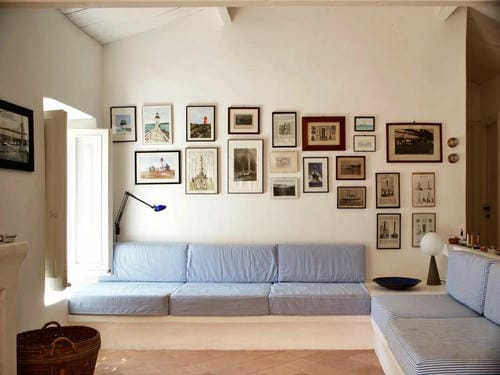
In modern home design, the gallery wall has evolved beyond a random cluster of framed art into a sophisticated form of personal expression—a Memory Wall 2.0 where emotional artifacts and aesthetic design coexist harmoniously. What sets a meaningful memory wall apart from clutter is intent: these displays are not simply decorative arrangements but narrative compositions, blending artwork, photographs, and sentimental objects into a visually cohesive story. Unlike traditional gallery walls that focus strictly on prints or framed art, this updated approach encourages homeowners to thoughtfully integrate personal memorabilia—such as old postcards, cherished notes, heirlooms, and travel souvenirs—with stylistically chosen artwork and design pieces. In doing so, you elevate everyday objects into meaningful décor that reflects your identity and tells your story without overwhelming the space visually.
The Art and Purpose of Curated Memory Walls
Creating this kind of display begins with understanding what a gallery wall can be and the purpose it serves in your home. At its core, a gallery wall is a visual centerpiece—a focal point that defines the character of a room while offering a window into the inhabitant’s passions and memories. When homeowners include sentimental memorabilia, they transform a static display into a dynamic narrative tapestry. This technique is echoed across design sources that focus on intentional collections chosen for storytelling as much as for aesthetic harmony, underscoring the importance of thoughtful curation in crafting a wall that feels personal rather than cluttered. [1]
To ensure your memory wall feels both meaningful and curated, begin with a unifying concept or theme. A theme provides a framework that binds disparate objects together—be it a color palette, a particular period in your life, or a shared visual motif. A thoughtful theme can make even an eclectic mix of items appear intentional and artful rather than random. This approach is especially effective when weaving in personal artifacts alongside traditional art pieces, which might otherwise feel isolated. By choosing a central concept and using it as a guiding principle for every item you include, you create harmony across your wall. [2]
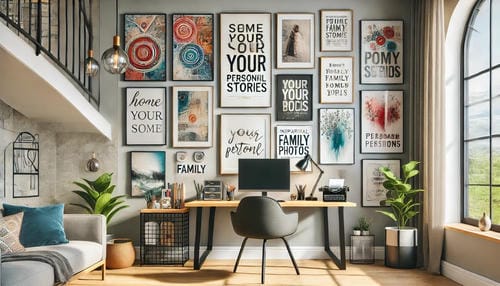
The selection of what to display is equally important. Start by gathering possible items—artwork, photos, memorabilia—and then refine this collection by assessing each piece’s emotional resonance and visual contribution to the overall wall. Design professionals often emphasize the importance of balancing personal touches with design considerations, such as scale, color, and form. Integrating meaningful objects with traditional framed prints or photographs can add depth, texture, and intrigue. The intentionality behind each selection ensures that the wall feels cohesive and thoughtfully arranged instead of simply cluttered with random mementos.
Design Principles for Blending Emotional Items into Curated Gallery Displays
Once you have established your theme and selected your pieces, the next step in crafting a Memory Wall 2.0 is applying design principles that elevate your wall from a display of collected items into a polished, intentional composition. One foundational principle is balance—visually distributing pieces across the wall so that no single cluster feels too heavy or dominant. Establishing a focal point—often a larger or particularly meaningful piece—creates an anchor around which the rest of the display can evolve, instantly drawing the eye and providing a sense of cohesion.
Another critical component of well-curated memory walls is spacing. Leaving a consistent visual “breathing room” between items helps each object stand out and prevents the arrangement from feeling visually overwhelming. While it can be tempting to maximize every inch of space, allowing for negative space around individual elements ensures that the display feels elegant and deliberate rather than crowded. Strategic spacing is just as important when combining framed pieces with three-dimensional items such as small shelves, relics, or artifacts. [3]
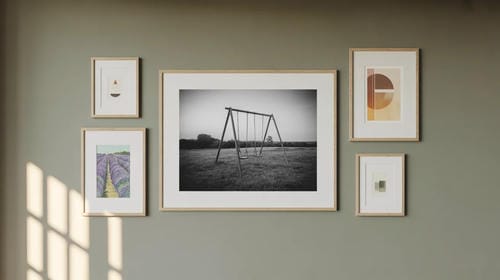
The use of varied materials and mixed-media elements also plays a significant role in refining your memory wall. Instead of limiting your display to flat prints and photographs, consider incorporating small non-traditional components—like a framed concert ticket, a decorative plate, or a shadowbox with a cherished keepsake. Placing such objects alongside framed art adds texture and dimension, creating a dynamic visual interplay that engages viewers on multiple sensory levels. Artistic displays that include diverse shapes, textures, and materials tend to feel richer and more layered, fostering both aesthetic interest and personal significance.
Another design consideration that enhances the curated feel of your memory wall is selecting frames and finishes that complement rather than compete with one another. While it can be tempting to embrace a fully eclectic mix of frame styles, a unifying element—such as a consistent color palette or complementary finishes—can help create visual harmony. This does not mean everything needs to match perfectly; rather, a thoughtful mix of frame styles tied together by a shared element lends sophistication to the overall arrangement. [4]
Lighting also influences how a memory wall is perceived. Proper illumination can enhance the impact of meaningful pieces, make details more visible, and elevate the overall mood of the display. While natural light often provides a soft, inviting atmosphere, targeted picture lights or adjustable sconces can highlight specific elements and draw attention to focal points. When planning your wall, take into account how the space naturally lights during different times of the day, and consider lighting additions that best showcase your arrangement. [5]
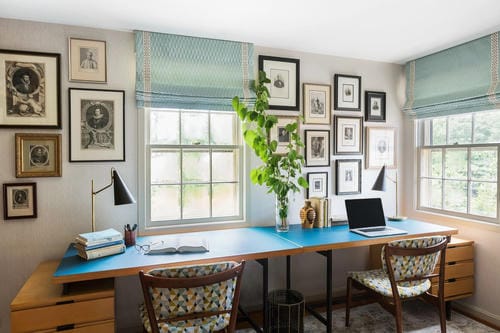
Rotation and evolution of the display are design strategies that keep a memory wall fresh and reflective of your life’s ongoing journey. Just as personal experiences and tastes evolve over time, so too can the contents of your gallery wall. Periodically swapping out pieces—seasonally, annually, or whenever you feel inspired—allows the display to grow with you. It also offers the opportunity to reconfigure and refresh the arrangement, maintaining a sense of both nostalgia and innovation in your home design.
In crafting this updated form of memory wall, where emotional items are thoughtfully interspersed with curated art, homeowners are encouraged to embrace their unique stories and display them with design intention. The result is a living wall, a space that feels personal, carefully curated, and continually reflective of the people who inhabit the home.
Sources:
[1]: https://www.indulgexpress.com/life-style/home-and-decor/2024/Jul/03/five-ways-you-can-curate-a-home-gallery-wall-that-reflects-your-personality
[2]: https://drool-art.com/blogs/inspiration/8-tips-for-refreshing-your-space-with-a-curated-gallery-wall
[3]: https://www.rachelmadsenstudio.com/home-decor-tips/how-to-make-a-gallery-wall-that-feels-curated-not-cluttered
[4]: https://toolsweek.com/how-to-create-a-gallery-wall-that-looks-curated-not-cluttered
[5]: https://homestylevibe.com/curated-gallery-walls-for-modern-homes
References:
https://www.rent.com/blog/gallery-wall-ideas
https://www.zenmuseum.com/finder/page/creating-dynamic-gallery-wall-tips-curating-arranging-art
Recommended for you