The Living Soil Network of Roots and Fungi and the Hidden Ways They Exchange Nutrients and Signals
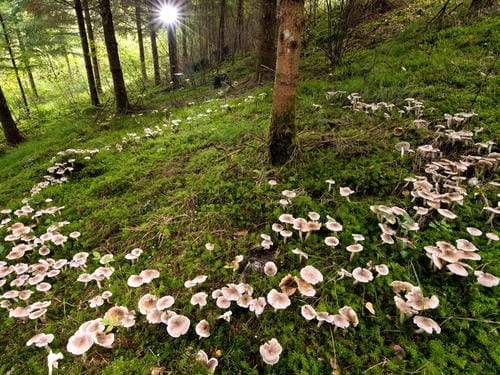
Every garden hides a world of mystery beneath the soil — a bustling, dynamic environment where roots and fungi form alliances far more complex than most gardeners ever realize. For centuries, we have tended soil with the assumption that plants absorb nutrients solely through their own root systems, acting as isolated individuals struggling for resources. However, modern science has revealed a profoundly different picture: plant roots are often connected through extensive networks of fungal filaments that act as conduits for nutrients, water, and even chemical signals. These subterranean networks, formed by mycorrhizal fungi and plant roots, create a collaborative biological web that links many plant species into a shared underground community. This reveals that what lies beneath the surface is not a silent void, but a vibrant communication and support system essential to plant health and ecosystem function.
Mycorrhizal networks — sometimes termed the “Wood Wide Web” by ecologists — consist of tiny fungal threads called hyphae that entwine with plant roots. These networks are not random; they establish persistent connections among plants, enabling plants to access nutrients through fungal partners and, intriguingly, to send and receive stress signals through the soil. The network’s importance extends from forest ecosystems to cultivated gardens, where a gardener’s appreciation of soil life can mean the difference between average yields and thriving, resilient plants. By recognizing these invisible connections beneath our feet, gardeners can begin to understand that soil health is not just about texture and fertilizer — it is about nurturing a living system that quietly sustains the plants above. [1]
The Underground Web: How Roots and Fungi Connect and Communicate
Beneath the surface of every garden, forest, and meadow lies an intricate, largely unseen network of biological connections. This tapestry of life is woven from the delicate threads of fungal mycelium and the sprawling systems of plant roots, forming what scientists have come to call the mycorrhizal network or the “Wood Wide Web.” These networks are symbiotic partnerships between plants and fungi that facilitate the transfer of nutrients, water, and even chemical messages across species and distances that defy casual observation. [2]
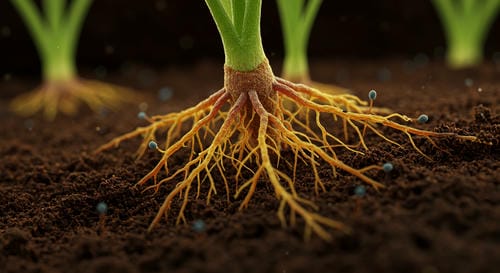
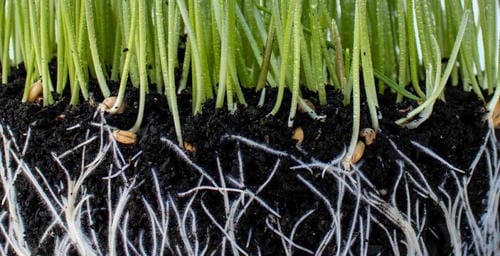
The foundation of these underground networks lies in a group of fungi known as mycorrhizae. These fungi form microscopic, thread-like extensions called hyphae that connect with the roots of plants. Through this physical interface, fungi penetrate or wrap around root structures, expanding the effective surface area for nutrient absorption. In return, plants supply fungi with sugars and other carbohydrates produced during photosynthesis. This partnership enhances both parties’ ability to thrive: fungi gain energy sources, and plants receive improved access to water and essential minerals such as phosphorus and nitrogen.
But the relationship between roots and fungi goes beyond a simple nutrient exchange. Researchers have documented that these fungal networks can act as conduits for signals between plants. In experiments where plants were connected through shared mycorrhizal networks, one plant experiencing stress — such as an insect attack — released chemical cues that traveled along the fungal threads and triggered defensive responses in neighboring plants. These warning signals prompted connected neighbors to activate their own defense mechanisms, even though those plants were not directly under threat.
This signaling phenomenon suggests that plants and fungi participate in a form of underground communication system. While not analogous to animal nervous systems, the ability of mycorrhizal networks to transmit chemical and potentially electrical signals expands our understanding of how interconnected plant communities truly are. Studies have explored the potential for electrical communication mediated by fungal pathways, adding another layer of complexity to how these networks function in nature.
Scientists estimate that around 90 percent of land plants form associations with mycorrhizal fungi, creating a vast network that spans ecosystems from tropical forests to temperate gardens. These networks not only support individual plant health but may also coordinate responses across communities of plants, effectively forming a resource and information exchange system that mirrors some aspects of human communication networks. [3]
Implications for Gardeners and Ecosystems
For gardeners and cultivators, recognizing the role of mycorrhizal networks transforms how soil and plant health are understood. Rather than viewing soil as inert substrate, it should be regarded as a vibrant ecosystem teeming with life and activity. Healthy fungal networks enhance nutrient cycling, support drought resilience, and may improve overall plant vigor. Encouraging fungal and root activity can thus be seen as foundational to any sustainable gardening practice.
One of the most significant implications for gardeners is the role mycorrhizal fungi play in nutrient acquisition. The hyphae of these fungi extend far beyond the reach of plant roots alone, effectively increasing the absorptive surface area available to plants. This expanded reach allows fungi to forage for nutrients and water in distant soil pockets, supplying these essential resources back to the plant in exchange for carbohydrates. This reciprocal arrangement increases nutrient access beyond what roots alone could achieve.
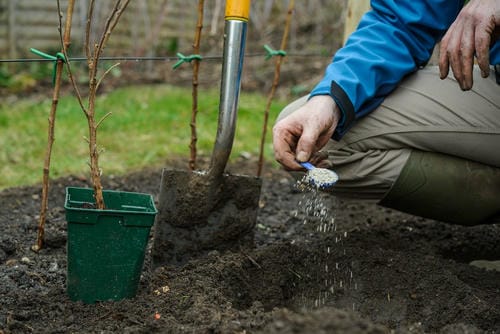
In practical terms, this means gardening practices that preserve and encourage fungal networks can result in healthier, more resilient plants. Minimizing soil disturbance — for example, reducing excessive tilling — helps maintain the integrity of hyphal networks. Similarly, organic amendments like composts and mulches introduce beneficial microbes and organic matter that support fungal growth. These practices can improve soil structure, increase nutrient availability, and foster deeper connections between plants.
Beyond nutrient exchange, the idea that plants might warn their neighbors of threats through fungal networks has meaningful implications for a garden ecosystem. When plants are interconnected, stress responses like pest attacks or disease can trigger chemical signals that circulate through the network. While the science is still emerging, this suggests that plant communities with robust mycorrhizal connections could be better primed to withstand challenges compared with isolated plants.
This concept shifts how gardeners might view plant diversity and placement. Interplanting a variety of species rather than monocultures can support more extensive and varied mycorrhizal partnerships. Diverse plantings may enhance the robustness of underground networks and encourage more dynamic exchanges of nutrients and signals among plants.
Understanding these underground interactions also highlights the importance of soil health indicators such as organic matter content, porosity, and microbial diversity. Soil that is rich in organic material and minimal in chemical disturbance is more likely to support flourishing fungal networks. Gardeners can support these conditions by avoiding excessive use of synthetic fertilizers and pesticides, which can disrupt fungal activity and diminish the complexity of soil life.
Finally, considering fungi and plant roots as an interconnected ecosystem entity rather than separate organisms encourages a shift toward holistic gardening principles. Rather than treating each plant as an individual competitor for resources, gardeners can embrace the concept of cooperation and shared resilience inherent in mycorrhizal networks. This perspective encourages ecosystem-level stewardship, where creating conditions for thriving underground communities supports aboveground plant abundance and vitality.
Sources:
[1]: https://pmc.ncbi.nlm.nih.gov/articles/PMC4497361
[2]: https://nature.sciencearray.com/wood-wide-web-underground-network-saving-forests
[3]: https://www.pbs.org/wgbh/nova/nature/wood-wide-web.html
Reference:
https://www.icr.org/article/7663
Recommended for you