We Tried Weird Garden Fertilizers and Hacks and Here Are the Results
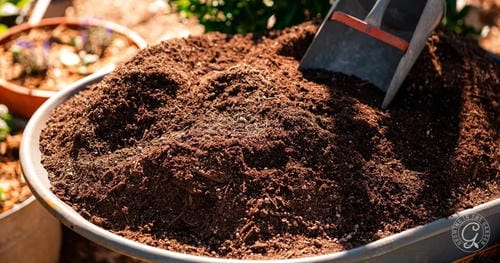
Gardening is a blend of curiosity, innovation, and patient observation. Whether you are a seasoned gardener or a casual plant enthusiast, you’ve likely encountered a mix of traditional advice and quirky tips that promise surprising growth results. From repurposing kitchen scraps as nutrient sources to trying out “viral” hacks seen on social platforms, gardeners are increasingly experimenting with unconventional inputs in the hope of boosting plant performance while reducing waste.
Unconventional Fertilizers: Kitchen Scraps and Organic Inputs in Action
In backyard gardens across the world, unconventional fertilizers made from household items and kitchen scraps are gaining attention. With growing interest in sustainable gardening and reducing waste, many home gardeners are experimenting with odd inputs that claim to feed plants or improve soil. These experiments range from burying fruit peels to recycling aquarium water, with varied outcomes depending on the material, plant species, and application method involved.
Among the most talked-about unconventional fertilizers are banana peels. These peels contain potassium and phosphorus — nutrients essential for flowering and fruiting — and are often recommended to enhance blooms when buried near plant roots or added to compost. Gardeners have reported healthier growth with this practice, as the peels slowly decompose and release nutrients into the soil over time. This approach also aligns with sustainable gardening principles by transforming kitchen waste into a nutrient source. According to practical garden guides, burying banana peels at the base of plants can improve soil fertility and boost plant growth without chemical additives. [1]
Eggshells offer another intriguing example. Rich in calcium, crushed eggshells are added directly to soil or compost to improve calcium levels and prevent nutrient deficiencies in vegetables like tomatoes. Some gardeners also use eggshell halves as biodegradable seedling starters — filling them with potting mix and planting seeds directly inside before transplanting into the garden. As the seedlings grow and the shells break down, they contribute calcium to the soil, enhancing overall plant nutrition. [2]
Coffee grounds are another common household input being tested as a garden amendment. When incorporated into soil or compost, coffee grounds can contribute organic matter and trace nutrients like nitrogen, phosphorus, potassium, and magnesium. Their gritty texture also helps improve drainage and aerobic conditions in soil. Additionally, many gardeners report that coffee grounds can deter pests such as slugs and snails when sprinkled around plants, although moderation is key to avoid compaction or acidity shifts in the growing medium. [3]
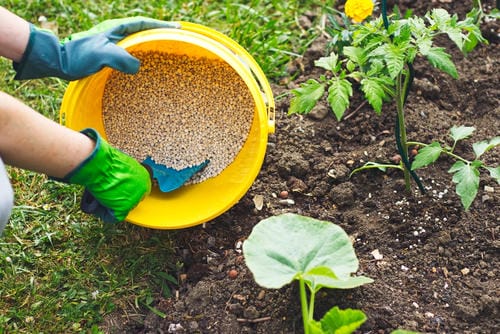
Aquarium water represents an unconventional fertilizer with a strong scientific foundation in nutrient cycling. Water from fish tanks — often that removed during routine cleaning — is rich in nitrogen and phosphorus from fish waste, as well as beneficial bacteria. Using this water to irrigate garden beds delivers a natural fertilizer boost that can help plants thrive while reducing water waste. This technique borrows from aquaponics principles, where fish and plants coexist in an integrated system that recycles nutrients efficiently. [4]
More complex organic amendments also appear in gardening experimentation. Bokashi composting, a method that ferments food waste using beneficial bacteria, produces soil amendments that retain more nutrients than typical compost due to the fermentation process. While additional composting may be needed before applying Bokashi material directly to soil, the resulting product can improve nutrient availability and soil structure.
Beyond kitchen wastes and fermented amendments, gardeners also test other organic materials like crushed seashells. These shells provide a slow-release source of calcium and micronutrients, which can enhance soil structure and plant health over a longer period. By incorporating crushed seashells into soil or compost, gardeners can strengthen plant resilience and improve soil quality.
However, not all kitchen-derived inputs deliver measurable fertilizer benefits. For example, the practice of soaking banana peels in water to create a “banana peel fertilizer tea” is pervasive online but often fails to supply nutrients in significant amounts because organic matter must decompose before releasing minerals that plants can absorb. This highlights the importance of understanding decomposition rates and nutrient bioavailability when using organic scraps as fertilizers.
Creative Garden Hacks: Beyond Fertilizers to Growth and Garden Health
Garden experimentation does not stop at fertilizers; creative hacks touch virtually every aspect of plant care. Some hacks aim to improve plant growth and soil health, while others focus on pest control and microclimate adjustments within the garden.
One frequently highlighted hack is the use of Epsom salt — magnesium sulfate — to support plant health. Magnesium plays a key role in chlorophyll production and nutrient uptake, and when diluted in water and applied periodically, Epsom salt can promote greener leaves and more vigorous growth in certain vegetables like tomatoes and peppers. This practice, while not a fertilizer in the conventional sense, supplements specific micronutrients that plant roots may otherwise find less available in soil.
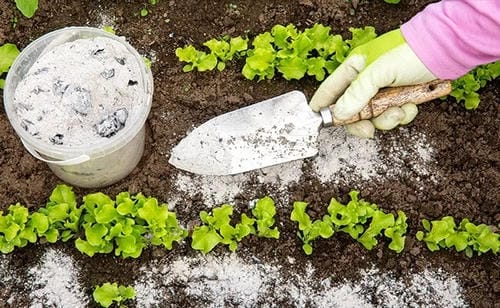
Baking soda, a pantry staple, is employed for its potential to adjust soil pH and enhance specific plant qualities, such as the sweetness of tomatoes by lowering soil acidity. Its use around base soil can help plants express natural traits that contribute to flavor development, although care must be taken to avoid disrupting broader soil chemistry.
Hydrogen peroxide diluted in water serves as another unconventional hack and is used to increase soil oxygenation. By releasing oxygen molecules into the root zone, this method improves root respiration and mitigates anaerobic conditions that can lead to root rot. Gardeners sometimes water plants with this solution to invigorate root systems and support overall plant vitality.
Pest management is another arena replete with unusual garden hacks. Beer traps attract slugs away from tender garden plants by exploiting their preference for yeast scent, reducing pest pressure organically without chemical deterrents. Similarly, cayenne pepper sprinkled around vulnerable plant areas deters certain pests due to its irritant properties. Both methods are inexpensive, accessible, and demonstrate how simple chemicals and natural compounds can influence pest behavior.
Natural fungicides also find their place in garden experimentation. Cinnamon is used as a dusting on seedling trays or soil to inhibit fungal growth — particularly damping-off disease — due to its antifungal properties. This provides an organic alternative to chemical fungicides for young plants and seedlings.
Some hacks borrow directly from functional repurposing of household items. Burying plastic forks or scattering crushed eggshells around plants can deter critters such as raccoons, squirrels, slugs, and snails, protecting seedlings and young plants from damage without resorting to traps or sprays.
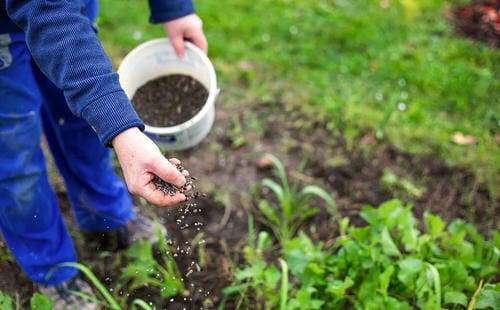
Innovative approaches to water management also surface in garden tests. DIY drip irrigation systems made from repurposed plastic bottles slowly release water at plant roots, ensuring consistent moisture levels with minimal intervention. Particularly for dry climates or gardeners with limited time, these low-cost systems maintain root hydration effectively. [5]
Another unusual yet scientifically grounded technique is vermiponics — combining hydroponics with vermiculture by using diluted worm leachate (“worm tea”) as a growth solution in soilless systems. Some studies indicate that this organic nutrient solution can improve root development compared to conventional hydroponics, although detailed research remains limited.
Across all these methods, the key takeaway from the “Garden Lab” perspective is that experimentation yields insight when combined with observation and understanding of plant biology. Not every hack delivers transformative results, but many offer incremental benefits when applied judiciously and adapted to specific garden conditions. Indeed, the joy of gardening often lies in testing hypotheses, refining practices, and learning what works best for each plant species and environment.
Sources:
[1]: https://www.archfoundation.org/b/clever-homemade-fertilizer-hacks
[2]: https://completegardening.com/17-bizzare-gardening-hacks-that-actually-work
[3]: https://www.gfloutdoors.com/15-gardening-hacks-that-actually-work-gw
[4]: https://readthis.uk/2025/05/gardening-hacks-that-actually-work
[5]: https://plantisima.com/weird-garden-hacks-people-swear-bybut-actually-work-wonders
References:
https://gardentabs.com/kitchen-scraps-plant-food
https://farmflavor.com/lifestyle/garden/10-unusual-gardening-tricks-that-actually-work
Recommended for you