How Artificial Intelligence and Sensor Technology Are Redefining Plant Care?
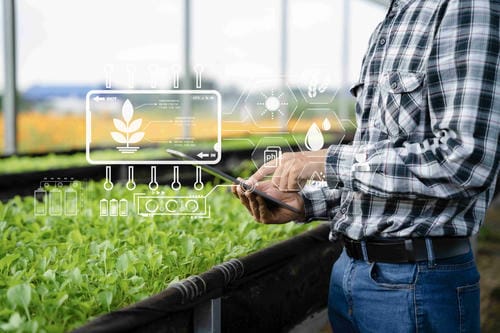
Gardening is undergoing a profound transformation as cutting‑edge technologies once confined to laboratories and industrial agriculture make their way into everyday plant care. Today’s gardens are no longer governed solely by intuition, seasonal calendars, and manual labor; they are increasingly augmented by networks of sensors, intelligent algorithms, and automated systems that monitor and respond to plant needs in real time. Advances in artificial intelligence and Internet of Things (IoT) sensor technology are enabling gardeners to track soil moisture, temperature, light exposure, and plant health with precision previously unimaginable, empowering both novice enthusiasts and seasoned horticulturists to optimize growth conditions and reduce resource waste. From smart irrigation systems that adapt watering schedules based on live environmental data to AI‑driven platforms that diagnose plant stress before visible symptoms appear, the fusion of technology and horticulture is redefining what it means to tend a garden. This shift toward data‑driven plant care promises not only healthier, more resilient gardens but also a future in which sustainable practices and effortless maintenance become the norm rather than the exception.
Smart Sensing and Real-Time Plant Monitoring
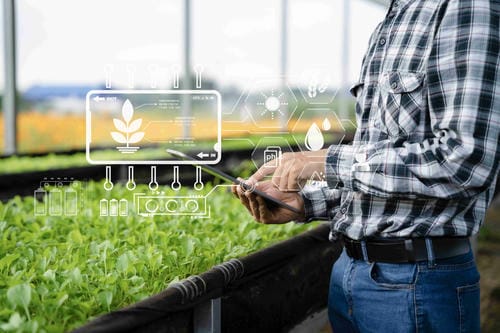
The most transformative technologies influencing the future of gardening are advanced sensors and real-time monitoring systems. These devices collect detailed data about environmental conditions—such as soil moisture, temperature, light intensity, and nutrient levels—providing insights that were once only available through manual observation and guesswork. Modern soil and climate sensors are capable of transmitting continuous data directly to smartphones or cloud platforms, enabling gardeners to understand the exact needs of their plants and respond quickly when conditions shift. With this high-resolution monitoring, watering schedules, fertilization plans, and microclimate adjustments can all be optimized for individual plants rather than relying on generic care routines. Such precision dramatically reduces water and nutrient waste, and allows plants to thrive in environments where traditional gardening would struggle. [1]
AI-integrated sensors push this capability even further. Instead of merely reporting data, intelligent systems analyze patterns over time and can detect early signs of stress, disease, or pest activity before symptoms become visible to the human eye. In agricultural settings, AI sensor networks have demonstrated the ability to identify plant stress and nutrient deficiencies with high accuracy and to forecast seasonal growth needs, empowering both hobbyists and professional growers with actionable insights.
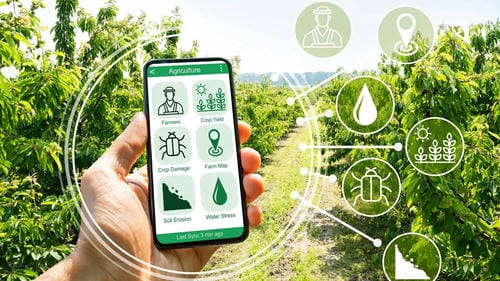
The implications for everyday gardening extend from home balconies to larger outdoor landscapes. Imagine a sensor array installed in a backyard garden that not only tracks moisture levels but also integrates local weather forecasts to adjust irrigation automatically. By doing so, water use is minimized—especially during periods of rainfall—without sacrificing plant health. These sensor systems are rapidly becoming more affordable and easier to use, meaning that even novice gardeners can benefit from data-driven plant care methodologies that were once exclusive to commercial greenhouses or research institutions.
Artificial Intelligence and Automated Decision-Making
Artificial intelligence is the engine that converts raw sensor data into meaningful plant care decisions. AI algorithms are trained on vast datasets of plant species, environmental conditions, and growth outcomes, allowing them to produce highly personalized recommendations for watering, lighting, fertilization, and other routine tasks. These systems are capable of adjusting recommendations based on seasonal changes, plant lifecycle stages, and even real-time weather data. For instance, AI-powered irrigation controllers can automatically adjust watering patterns during rainy periods or droughts, striking a balance between resource conservation and plant health. [2]
Beyond basic care optimization, AI is increasingly being deployed for diagnostic purposes. Computer vision models embedded in garden cameras or apps can scan leaves and stems to identify symptoms of nutrient deficiencies, pest infestations, and fungal diseases. Early detection through AI allows gardeners to intervene sooner, applying targeted treatments and preventing widespread damage that would otherwise compromise plant vitality. This type of early problem identification, performed with machine precision, reduces the need for broad pesticide application and supports more sustainable gardening practices. [3]
AI also plays a significant role in planning and design. Tools powered by machine learning can recommend plant combinations and layouts based on sunlight patterns, soil type, and aesthetic goals. These systems can even generate comprehensive garden plans tailored to specific climates, making it easier for gardeners—especially beginners—to create thriving outdoor spaces without trial-and-error. The integration of AI into garden planning signals a shift from reactive to proactive horticulture, where potential issues are anticipated and addressed before they manifest.
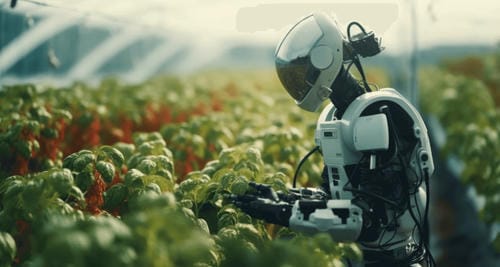
As networks of AI and sensor devices become more interconnected, systems will increasingly act autonomously on behalf of gardeners. Fully automated greenhouses and smart gardening platforms are already in development that adjust environmental controls without human intervention, creating ideal growth conditions around the clock. In time, the garden of the future may look more like an intelligent ecosystem than a collection of isolated plants, with continuous feedback loops guiding every aspect of plant care.
The Blending of Technology With Everyday Gardening Practices
The convergence of AI and sensor technology is not limited to commercial agriculture or research settings; it is already influencing residential and urban gardening. Smart planters equipped with built-in sensors enable even small spaces—such as balconies and indoor window gardens—to flourish with minimal effort. These systems provide real-time feedback on soil and environmental conditions, while integrated apps issue reminders or automate watering when necessary. This helps remove much of the uncertainty traditionally associated with plant care, making gardening more accessible to people of all experience levels. [4]
Integration with broader smart home ecosystems adds another layer of convenience. Connected gardening devices can sync with voice assistants and mobile platforms, allowing gardeners to monitor and control plant care remotely. Tasks such as scheduling irrigation, adjusting light exposure, or receiving alerts about environmental changes can all be managed from a single app or through home automation systems. As these technologies mature, standardization and interoperability will likely improve, further reducing barriers to adoption for mainstream gardening audiences.
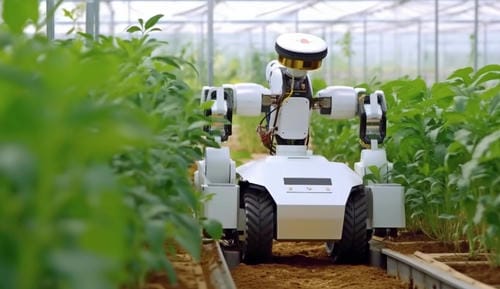
More advanced applications are also emerging. In experimental setups, AI and robotics work together to maintain controlled growing environments, automatically adjusting variables like humidity and nutrient delivery to maximize plant health and yield. Research initiatives are exploring ways to merge machine vision, time-series environmental data, and predictive models to optimize plant growth in challenging urban and indoor contexts. These innovations suggest that the concept of a garden may soon encompass dynamic, self-regulating ecosystems that adapt to changing conditions with minimal manual input. [5]
The adoption of these technologies varies widely based on user needs and garden scale, but the overarching trend is clear: data-driven, AI-assisted plant care systems are shifting the paradigm of gardening from intuition-based to evidence-based practice. This shift promises more resilient gardens, higher success rates, and a more enjoyable gardening experience for individuals and communities alike.
Sources:
[1]: https://aigardenplanner.com/blog/post/how-ai-sensors-improve-seasonal-plant-monitoring
[2]: https://ecogardener.com/blogs/news/ai-in-gardening-and-plant-care
[3]: https://yenra.com/ai20/smart-home-gardening-systems
[4]: https://www.courtyardgardens.biz/%E6%9C%80%E6%96%B0%E3%81%AE%E7%B7%91%E5%8C%96%E6%8A%80%E8%A1%93
[5]: https://arxiv.org/abs/2503.21932
Reference:
https://gardenerspathway.com/the-future-of-gardening-trends-in-smart-tools-and-equipment-for-2025-and-beyond
Recommended for you